
Frequently asked questions
Short, clear answers: when fever needs A&E, virus or bacteria, alcohol and antibiotics, missed doses, how long you are infectious, undetectable = untransmittable, positive tests without symptoms, probiotics, vaccines, pregnancy, bites and ticks.
 FAQ
When should fever send you to A&E?
Most fevers are caused by viruses and get better at home, but some signs mean going to A&E or calling 112 (or 999 in the UK): looking very unwell, a rash that does not fade under a glass, a stiff neck, breathing difficulty, fever after travel to a malaria area or with low immunity.
Read → FAQ
Is it a virus or bacteria? Do I need antibiotics?
Most colds, flu, bronchitis, ear infections and sore throats are viral or get better on their own, and antibiotics do not work against viruses. How a clinician tells a viral from a bacterial infection, which tests help and when antibiotics really are needed.
Read → FAQ
Can I drink alcohol while taking antibiotics?
With most antibiotics, a small amount of alcohol does not stop them working and is not dangerous, but it is wise to avoid it while you are ill. There are clear exceptions: metronidazole and tinidazole, linezolid, tuberculosis medicines and some antifungals. Table of medicines and how long to wait.
Read → FAQ
What should I do if I miss an antibiotic dose?
If you miss a dose, usually take it as soon as you remember, unless your next dose is nearly due: then skip it and carry on as normal. Never take two doses together. What to do if you vomit, when a missed dose matters more (tuberculosis, HIV, malaria) and tips for remembering.
Read → FAQ
How long am I infectious?
It depends on the infection: with a cold, flu or COVID-19 you are most infectious in the first few days; with chickenpox, until every spot has crusted over; with strep, until 24 hours after starting antibiotics. Table of infectious periods and when to return to school or work.
Read → FAQ
What does undetectable = untransmittable mean?
A person with HIV who takes their treatment and keeps an undetectable viral load does not pass HIV on through sex. The studies that proved it (PARTNER, HPTN 052, Opposites Attract), which numbers count, how long it takes and what it does not cover: other STIs, breastfeeding and needles.
Read → FAQ
A positive culture or PCR without symptoms: what does it mean?
A positive culture or PCR does not always mean infection: it may reflect colonisation, a contaminated sample or leftover genetic material from a virus that is no longer active. When to treat (pregnancy, STIs, H. pylori, latent TB) and when not to (asymptomatic bacteriuria, carriers).
Read → FAQ
Should I take probiotics with antibiotics?
Some probiotics (Saccharomyces boulardii and Lactobacillus rhamnosus GG) reduce antibiotic-associated diarrhoea, especially in children and high-risk people, but they are not essential. What the 2025 evidence says, how to take them and who should avoid them.
Read → FAQ
Are vaccines safe? Myths and facts
Vaccines are among the most closely monitored medicines: serious side effects are very rare and the benefits are huge (about 154 million lives saved in 50 years). The real risks, how they are monitored and what large studies say about autism, aluminium and mRNA.
Read → FAQ
Pregnancy: which infections to watch and foods to avoid
Which infections are tested for in pregnancy (syphilis, HIV, hepatitis B, rubella, group B streptococcus), which are prevented by hygiene and safe cooking (Listeria, Toxoplasma, cytomegalovirus), which vaccines are recommended and which foods to avoid.
Read → FAQ
I've been bitten by a dog or cat: what should I do?
Wash the wound with soap and water for 15 minutes and seek advice the same day. Which bites need antibiotics (almost all cat bites), when tetanus needs checking and when there is a rabies risk: travel abroad, Ceuta and Melilla, stray animals and bats.
Read →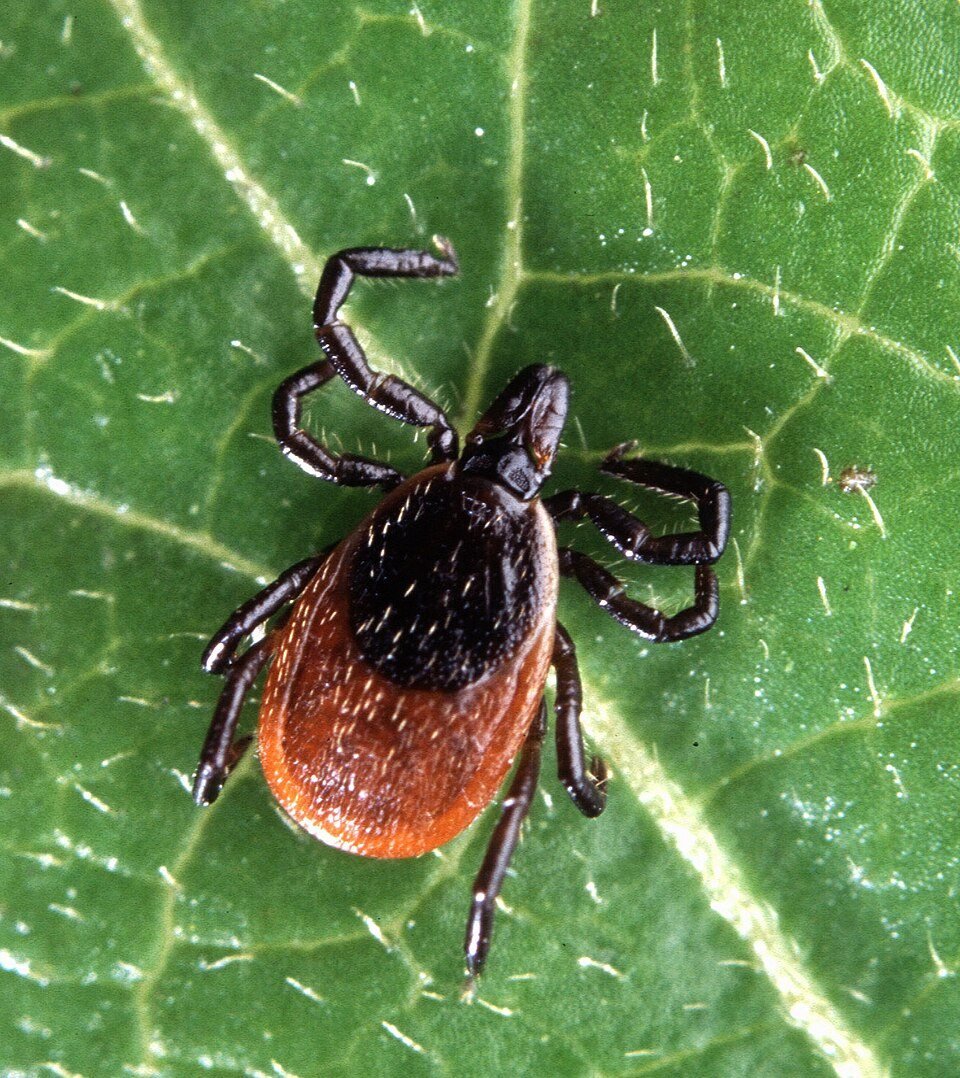 FAQ
Tick bite: how to remove it and what to watch for
Remove it as soon as possible with fine-tipped tweezers, pulling straight out without squeezing; do not use oil, alcohol or heat. Watch for 30 days for fever, a black scab or a spreading red rash. Lyme disease, Mediterranean spotted fever, TIBOLA and Crimean-Congo in Spain.
Read →