COVID-19
From acute infection to post-COVID condition.
Disease and transmission
SARS-CoV-2 causes COVID-19. Transmission is respiratory and risk depends on contact, ventilation and epidemiological context. Read the article →
Diagnosis and testing
PCR and antigen tests perform differently. A negative antigen test does not always rule out infection, and serology is not used to diagnose acute infection. Read the article →
Severity and vulnerable groups
Age, chronic conditions and immunosuppression increase risk. Severe breathlessness, confusion or rapid deterioration need urgent assessment. Read the article →
Treatment and safety
Antiviral eligibility depends on risk, symptom duration, interactions and organ function, following current guidance and local authorisation. Read the article →
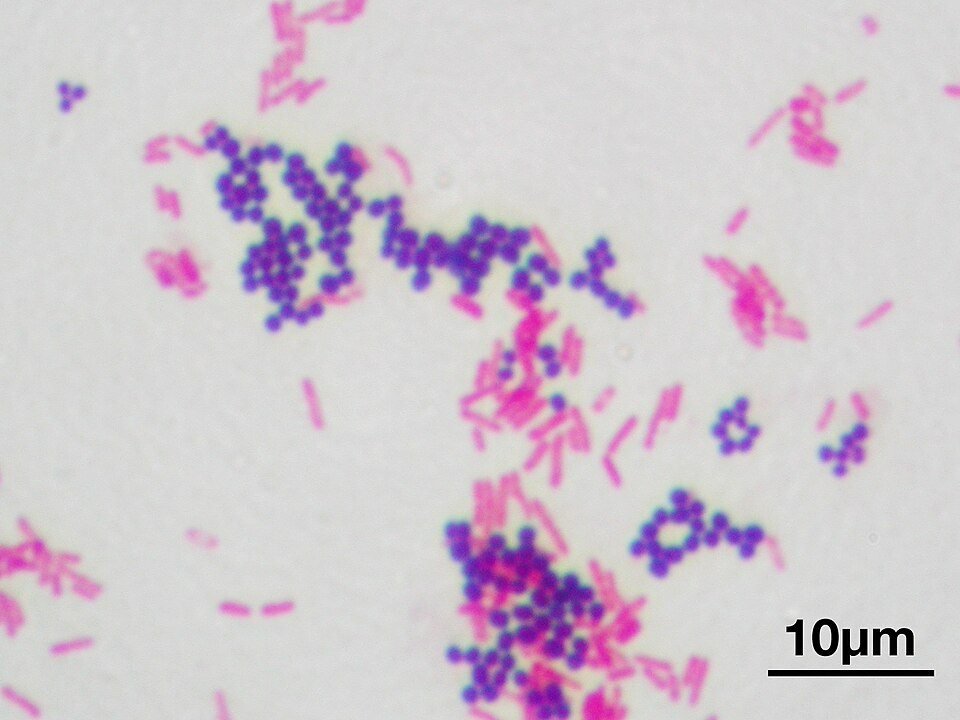
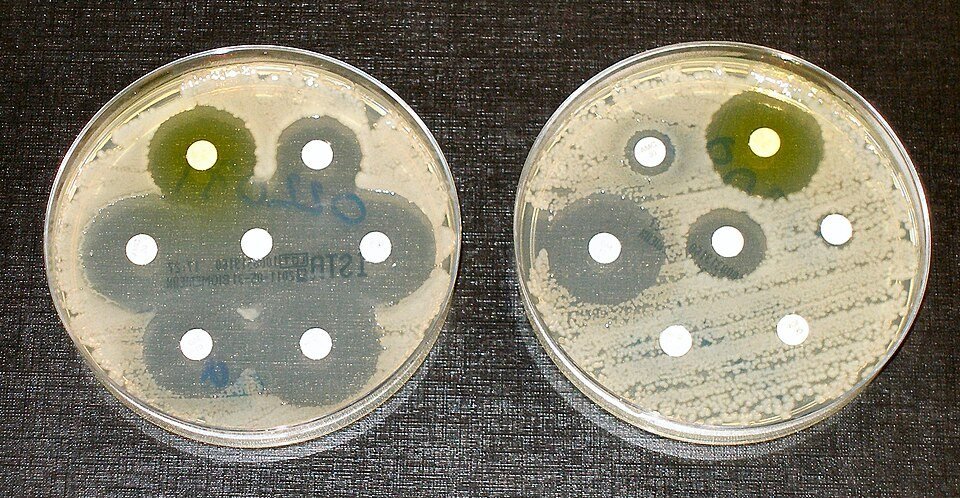
Antibiotics and coinfection
WHO (2025) recommends against empirical antibiotics when suspicion of concurrent bacterial infection is low, in both non-severe and severe COVID-19. Read the article →
Vaccination and immunity
Schedules, adapted vaccines and recommended groups change every season: check current official recommendations. Read the article →
Post-COVID condition
Persistent symptoms need individual assessment and differential diagnosis; care may include adapted rehabilitation and multidisciplinary support. Read the article →
Pregnancy and immunosuppression
Risk assessment, prevention and treatment are adapted to each situation. A single immunological test does not summarise all protection against disease. Read the article →