
Microorganisms: bacteria, viruses, fungi and parasites
Profiles of the main human pathogens: staphylococci, pneumococcus, E. coli, Pseudomonas, tuberculosis, SARS-CoV-2, HIV, influenza, hepatitis viruses, herpes, Candida, Aspergillus, Plasmodium, Toxoplasma and many more. What they are, which diseases they cause, how they are diagnosed and treated.
Bacteria
 Bacteria
Staphylococcus aureus and MRSA
Staphylococcus aureus lives in the nose of about a third of people and is the leading cause of skin infections and one of the main causes of bloodstream infection and endocarditis. What it is, how it is diagnosed, meticillin-resistant MRSA and its treatment.
Read →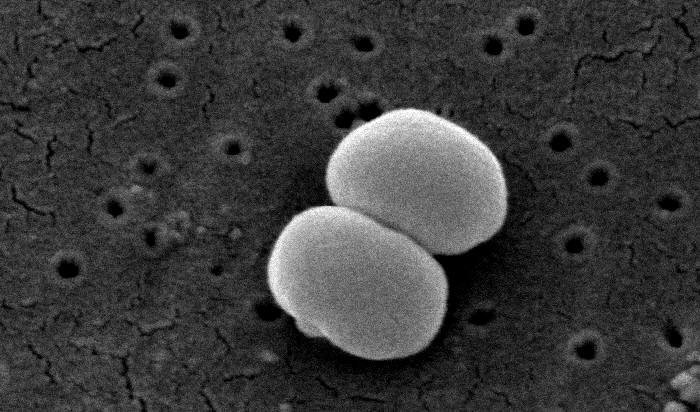 Bacteria
Coagulase-negative staphylococci (S. epidermidis and others)
Coagulase-negative staphylococci such as S. epidermidis live on everyone's skin and are the commonest blood culture contaminant, but also the leading cause of infections of lines, prostheses and valves. How to tell contamination from infection and how they are treated.
Read → Bacteria
Streptococcus pneumoniae (pneumococcus)
The pneumococcus is the leading bacterial cause of pneumonia, otitis and sinusitis and a major cause of meningitis and sepsis. Over 100 serotypes, conjugate vaccines (PCV20, PCV21), urinary antigen diagnosis and treatment with amoxicillin or cephalosporins.
Read → Bacteria
Streptococcus pyogenes (group A streptococcus)
Group A streptococcus causes bacterial tonsillitis, scarlet fever, impetigo and erysipelas, as well as severe invasive infections such as necrotising fasciitis and toxic shock. Diagnosis with rapid tests, penicillin treatment and complications such as rheumatic fever.
Read → Bacteria
Streptococcus agalactiae (group B streptococcus)
Group B streptococcus lives in the gut and vagina of about one in five pregnant women and is the leading cause of sepsis and meningitis in newborns. Screening or risk-based assessment and intravenous penicillin in labour prevent most early cases.
Read → Bacteria
Enterococcus and vancomycin-resistant enterococci
Enterococci live in everyone's gut and cause urinary infections, bacteraemia, endocarditis and abdominal infections, mainly in people in hospital. They are naturally resistant to many antibiotics and some, VRE, are also resistant to vancomycin.
Read → Bacteria
Escherichia coli
Escherichia coli lives in everyone's gut and is almost always harmless, but it is the leading cause of urinary tract infection and bacteraemia, and some strains cause travellers' diarrhoea or haemolytic uraemic syndrome. Types, diagnosis, resistance (ESBL) and treatment.
Read →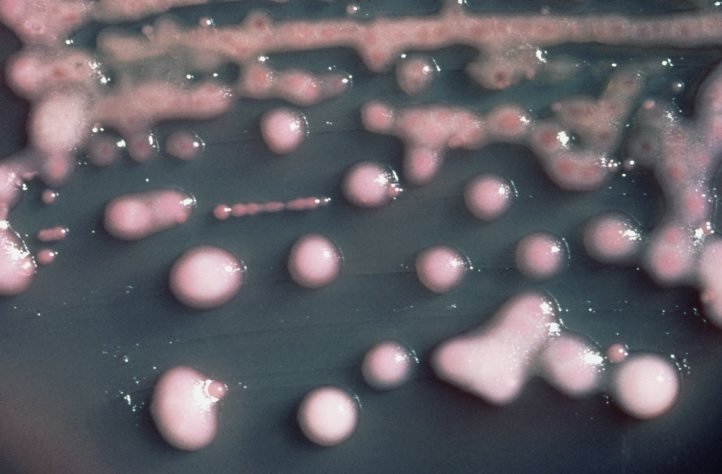 Bacteria
Klebsiella and other Enterobacterales (ESBL and carbapenemases)
Klebsiella pneumoniae, Enterobacter, Proteus, Serratia and other Enterobacterales cause urinary tract infections, pneumonia and bloodstream infections, and are the main carriers of ESBLs and carbapenemases. What they are, how resistance is detected and how they are treated.
Read → Bacteria
Pseudomonas aeruginosa
Pseudomonas aeruginosa is an environmental Gram-negative rod that causes pneumonia, bloodstream and urinary infections in hospital, chronic infection in cystic fibrosis and swimmer's ear. What it is, why it is so resistant and how it is treated.
Read →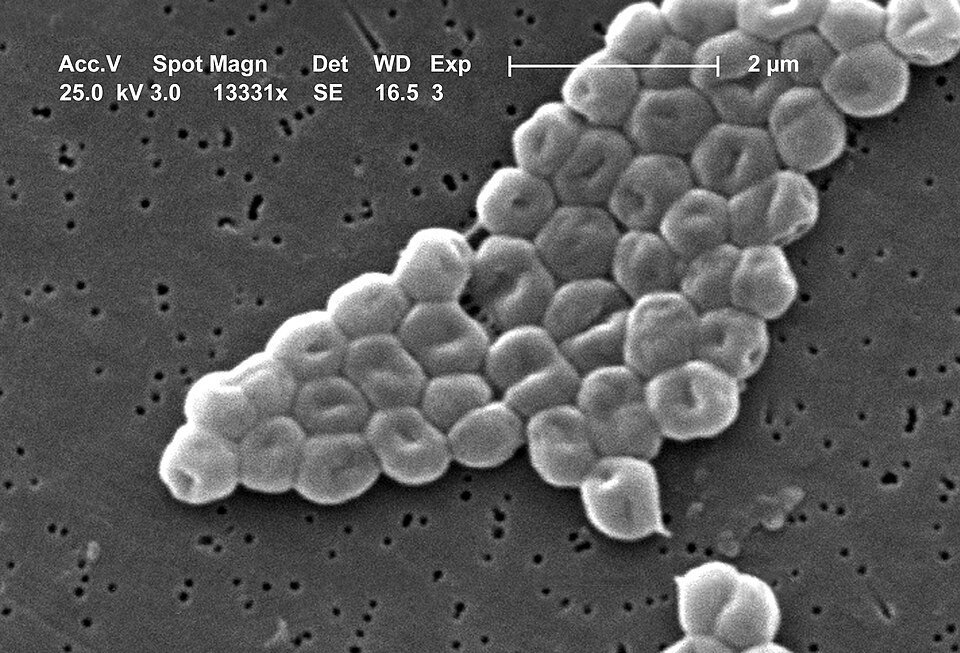 Bacteria
Acinetobacter baumannii
Acinetobacter baumannii is a Gram-negative coccobacillus that survives for weeks on dry surfaces and causes outbreaks of pneumonia and bacteraemia in intensive care. Its carbapenem-resistant form is in the WHO critical category. What it is, how it is detected and how it is treated.
Read →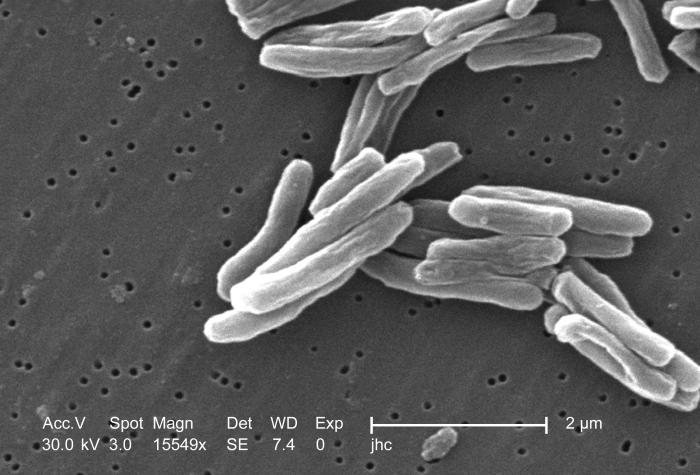 Bacteria
Mycobacterium tuberculosis
Mycobacterium tuberculosis, Koch's bacillus, causes tuberculosis, the infectious disease that kills more people than any other worldwide. How it spreads, latent infection versus disease, tests (IGRA, Mantoux, PCR, culture), drug resistance and treatment, including the new shorter regimens.
Read → Bacteria
Nontuberculous mycobacteria and leprosy
Nontuberculous mycobacteria (MAC, M. abscessus, M. kansasii, M. marinum and others) live in water and soil and cause lung, lymph node and skin infections; Mycobacterium leprae causes leprosy, which is curable with multidrug therapy. Diagnosis, treatment and prevention.
Read →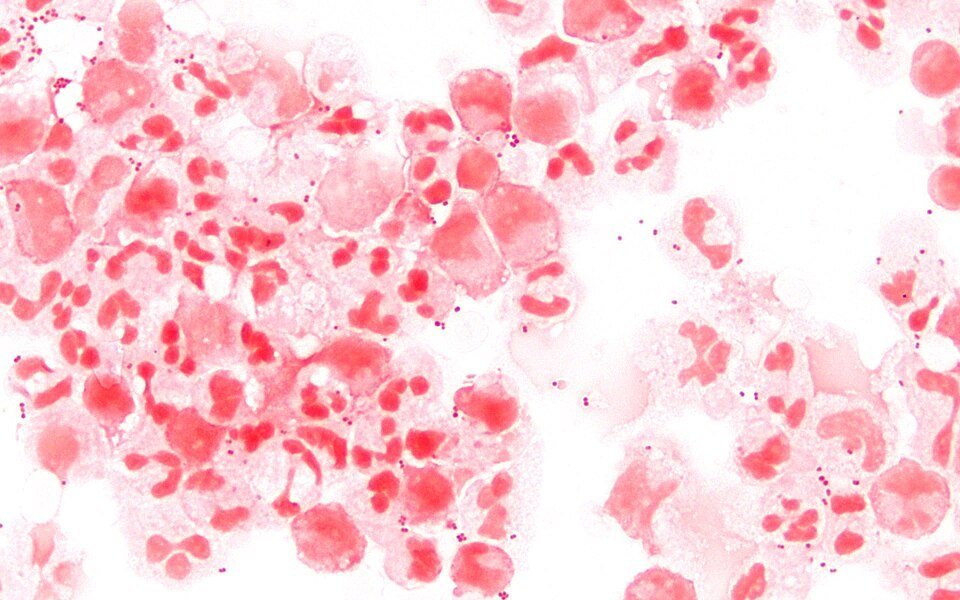 Bacteria
Neisseria meningitidis (meningococcus)
The meningococcus lives harmlessly in the throats of many healthy people, but can cause rapidly fatal meningitis and sepsis, with a rash that does not fade under pressure. Serogroups, warning signs, diagnosis, treatment, antibiotic prophylaxis for contacts and vaccines (MenACWY and MenB).
Read → Bacteria
Neisseria gonorrhoeae (gonococcus)
The gonococcus causes gonorrhoea, one of the most common sexually transmitted infections and rising in Spain and Europe. Many throat, rectal and cervical infections cause no symptoms. Diagnosis by PCR and culture, ceftriaxone treatment, resistance and new antibiotics.
Read → Bacteria
Chlamydia and Mycoplasma (atypical bacteria)
Chlamydia and Mycoplasma are tiny bacteria untouched by beta-lactam antibiotics. They cause the commonest bacterial STI, trachoma, psittacosis and "atypical" pneumonia. Transmission, PCR testing, Mycoplasma genitalium resistance and treatment with doxycycline or macrolides.
Read → Bacteria
Treponema pallidum (syphilis)
Treponema pallidum is the spirochaete that causes syphilis, an STI rising fast in Spain, the UK and across Europe that can affect any organ and pass to the unborn baby. How it spreads, stages, treponemal and non-treponemal tests, benzathine penicillin and prevention.
Read →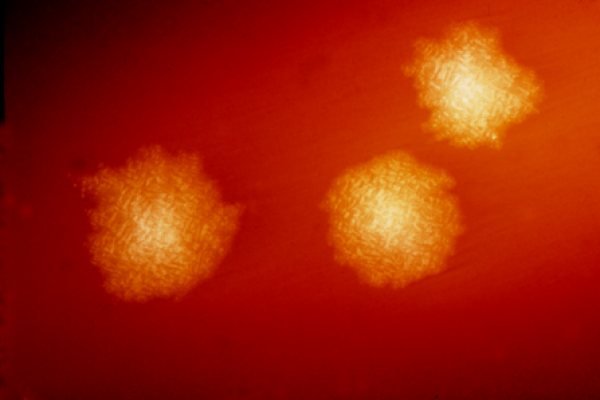 Bacteria
Clostridioides difficile
Clostridioides difficile is a spore-forming bacterium that, after a course of antibiotics, produces toxins and causes diarrhoea and colitis, sometimes severe and often recurring. Who is at risk, how it is diagnosed, fidaxomicin and vancomycin, faecal microbiota transplant and prevention.
Read → Bacteria
Toxin-producing clostridia: tetanus, botulism and gas gangrene
Clostridium tetani, C. botulinum and C. perfringens are soil and gut bacteria that make some of the most potent toxins known. They cause tetanus, botulism and gas gangrene. How they are caught, symptoms, antitoxins, surgery, tetanus vaccination and prevention.
Read →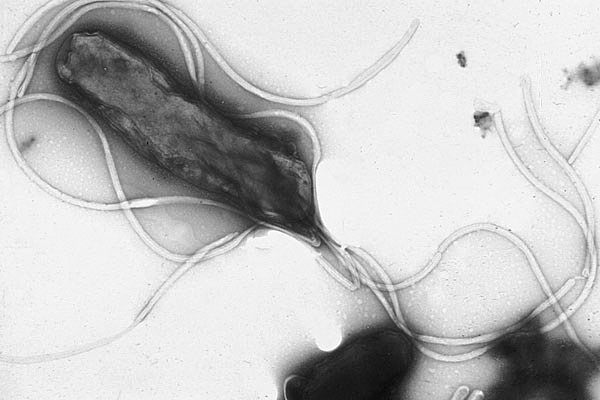 Bacteria
Helicobacter pylori
Helicobacter pylori is a bacterium living in the stomach of almost half of humanity. It causes gastritis, peptic ulcers and MALT lymphoma, and is the main cause of stomach cancer. When to test, urea breath test, stool antigen, quadruple therapies and clarithromycin resistance.
Read →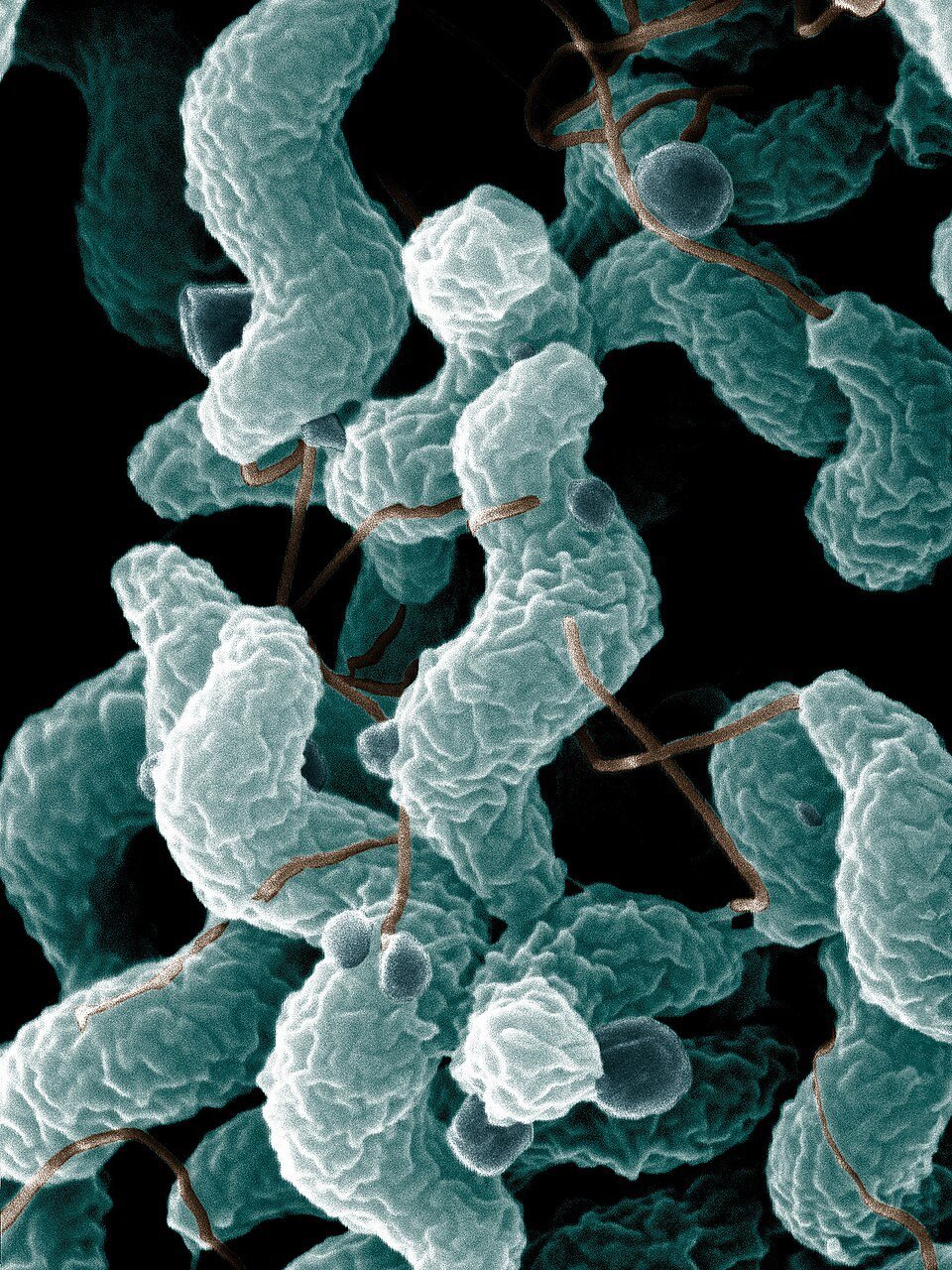 Bacteria
Salmonella, Shigella and Campylobacter
Campylobacter, Salmonella and Shigella are the bacteria behind most diarrhoea and food poisoning in Europe, and Salmonella Typhi causes typhoid fever. How they spread, who needs antibiotics, stool culture and PCR, rising resistance and prevention in the kitchen.
Read →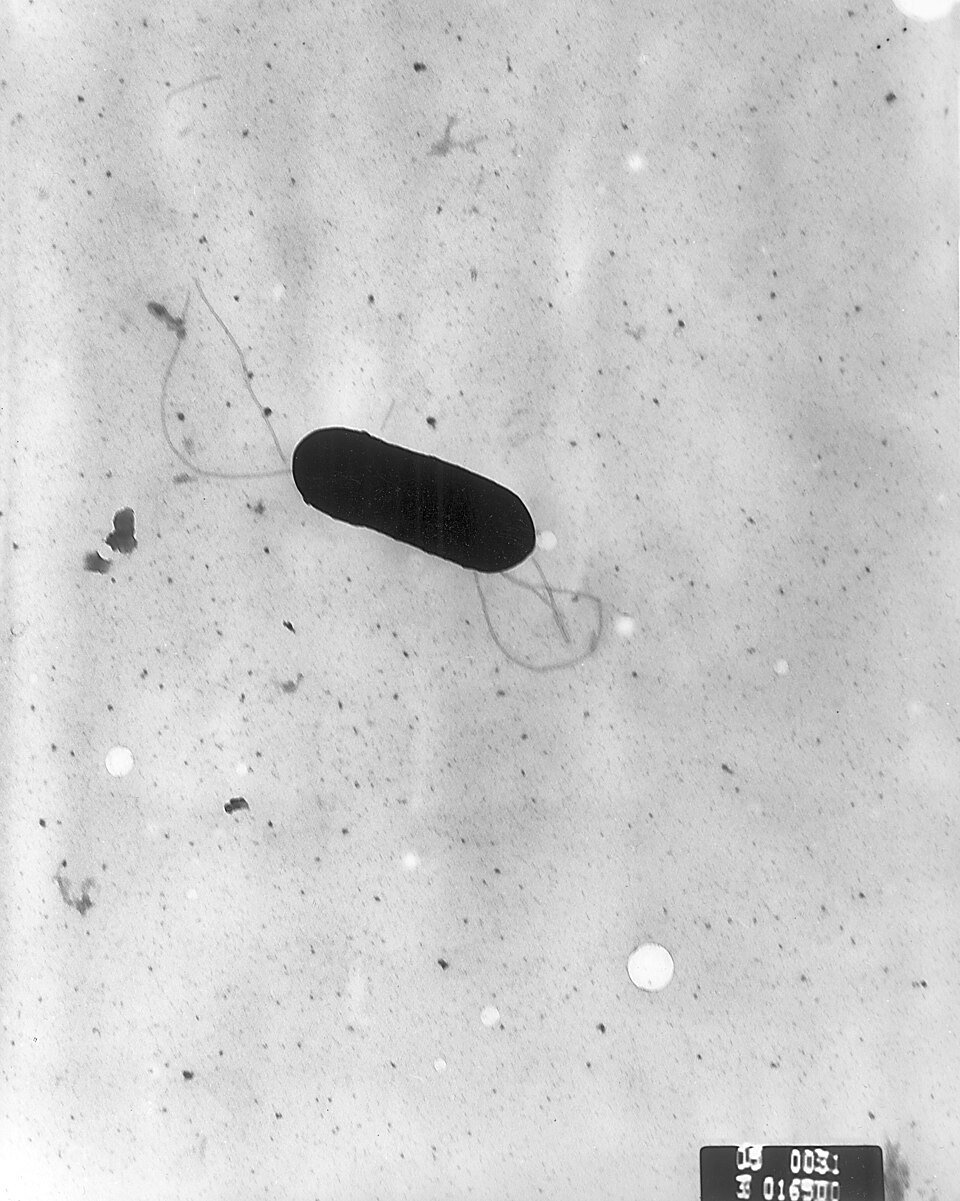 Bacteria
Listeria monocytogenes
Listeria monocytogenes is a foodborne bacterium that grows even in the fridge. It causes listeriosis, rare but serious, with bloodstream infection, meningitis and pregnancy loss in pregnant women, older and immunocompromised people. High-risk foods, blood cultures, ampicillin and prevention.
Read → Bacteria
Legionella pneumophila
Legionella is a water bacterium that, when inhaled in aerosols from cooling towers, showers or spas, causes Legionnaires' disease, a severe pneumonia, and Pontiac fever. How it spreads, urinary antigen, PCR, treatment with fluoroquinolones or azithromycin, and prevention.
Read → Bacteria
Haemophilus influenzae and Bordetella pertussis (whooping cough)
Two respiratory Gram-negative coccobacilli: Haemophilus influenzae causes otitis, sinusitis, pneumonia and, in its type b form, meningitis and epiglottitis; Bordetella pertussis causes whooping cough, which surged in 2024. Diagnosis, antibiotics and vaccines.
Read → Bacteria
Borrelia (Lyme disease) and Leptospira
Two zoonotic spirochaetes: Borrelia burgdorferi, spread by Ixodes ticks, causes Lyme disease (erythema migrans, neuroborreliosis, arthritis); Leptospira, shed in the urine of rats and other animals, causes leptospirosis. Diagnosis, doxycycline and prevention.
Read → Bacteria
Brucella, Coxiella and Rickettsia: bacterial zoonoses
Three bacteria that pass from animals to people: Brucella causes brucellosis or Malta fever, Coxiella burnetii causes Q fever and Rickettsia causes Mediterranean spotted fever and typhus. How they spread, serology, doxycycline and prevention.
Read → Bacteria
Anaerobic bacteria (Bacteroides and others)
Anaerobic bacteria live without oxygen and are the majority in the gut, mouth and vagina. When they escape their usual place they cause abscesses, peritonitis, dental, lung and soft-tissue infections. How to recognise them, anaerobic culture, metronidazole and source control.
Read → Bacteria
Corynebacterium diphtheriae (diphtheria) and other corynebacteria
Corynebacterium diphtheriae causes diphtheria, almost eliminated by vaccination but returning wherever coverage falls. The toxin, respiratory and cutaneous forms, C. ulcerans, diagnosis, antitoxin, macrolides, contact tracing and other corynebacteria.
Read →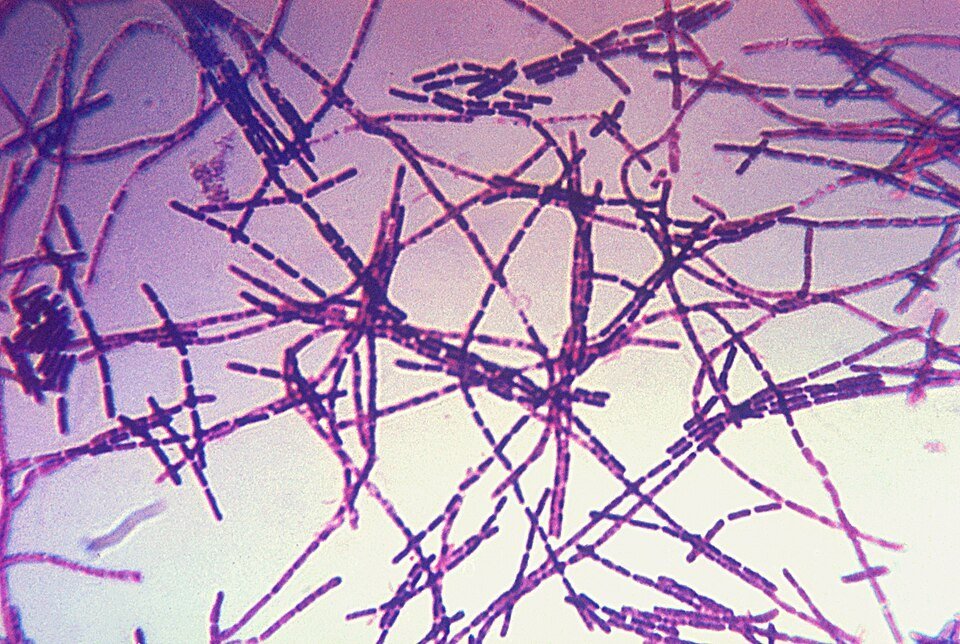 Bacteria
Bacillus anthracis (anthrax) and Bacillus cereus
Bacillus anthracis causes anthrax, a livestock zoonosis now rare in Europe that is usually cutaneous; Bacillus cereus causes food poisoning from rice and other dishes and hospital infections. Spores, clinical forms, diagnosis, treatment and prevention.
Read → Bacteria
Nocardia (nocardiosis)
Nocardia is a filamentous, branching soil bacterium that causes lung, brain and skin infections, mainly in transplant recipients and people on steroids. Species, diagnosis, co-trimoxazole and months-long treatment.
Read →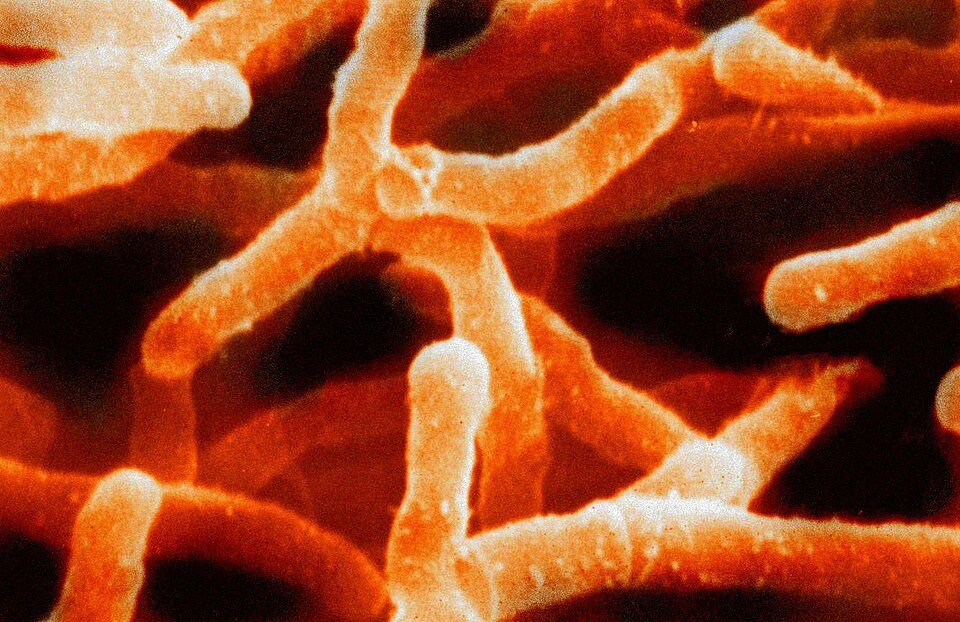 Bacteria
Actinomyces (actinomycosis)
Actinomyces is a bacterium of the mouth, gut and vagina that, when it crosses the mucosa, causes actinomycosis, a slow infection with abscesses, sinus tracts and sulphur granules that mimics a tumour. Cervicofacial, thoracic, abdominal and pelvic forms, diagnosis and prolonged penicillin.
Read → Bacteria
Haemophilus ducreyi and Klebsiella granulomatis (chancroid and donovanosis)
Haemophilus ducreyi causes chancroid, a painful genital ulcer with swollen glands, and Klebsiella granulomatis causes donovanosis, red ulcers that bleed easily. Both are now rare in Europe and almost always imported. How to tell them apart, diagnosis and treatment.
Read → Bacteria
Bartonella (cat scratch disease, bacillary angiomatosis and trench fever)
Bartonella henselae, spread by cats and their fleas, causes cat scratch disease; B. quintana, spread by lice, causes trench fever and endocarditis. In immunocompromised people, bacillary angiomatosis. Diagnosis by serology and PCR, and when to treat.
Read →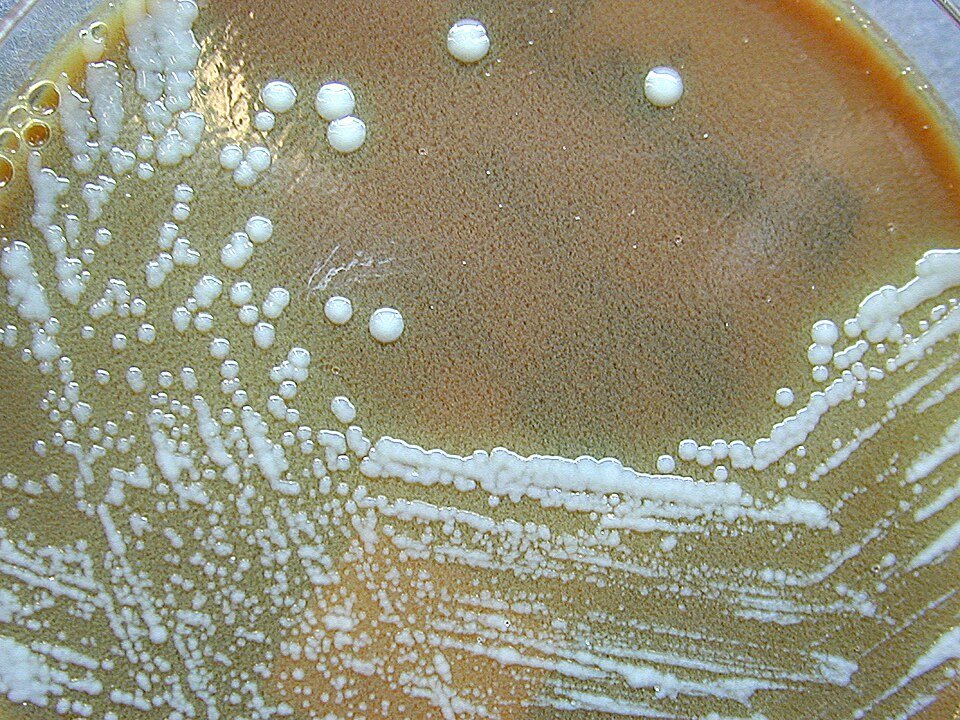 Bacteria
Francisella tularensis (tularaemia)
Francisella tularensis causes tularaemia, a zoonosis of hares, voles and other rodents that in Spain is concentrated in Castilla y León and surged in 2024. Ulcer with swollen glands, respiratory and typhoidal forms, serology, PCR, ciprofloxacin and prevention.
Read → Bacteria
Yersinia: plague and yersiniosis
Yersinia pestis causes plague, still present in Madagascar, the Democratic Republic of the Congo and other foci; Y. enterocolitica and Y. pseudotuberculosis cause yersiniosis, a pork-associated diarrhoea that mimics appendicitis. Transmission, forms, diagnosis, treatment and prevention.
Read → Bacteria
Vibrio cholerae (cholera) and other vibrios
Vibrio cholerae causes cholera, a watery diarrhoea that can dehydrate a person within hours and still kills thousands every year. Other marine vibrios (V. vulnificus, V. parahaemolyticus) cause wound infections, sepsis and shellfish gastroenteritis. Diagnosis, rehydration, antibiotics and vaccines.
Read →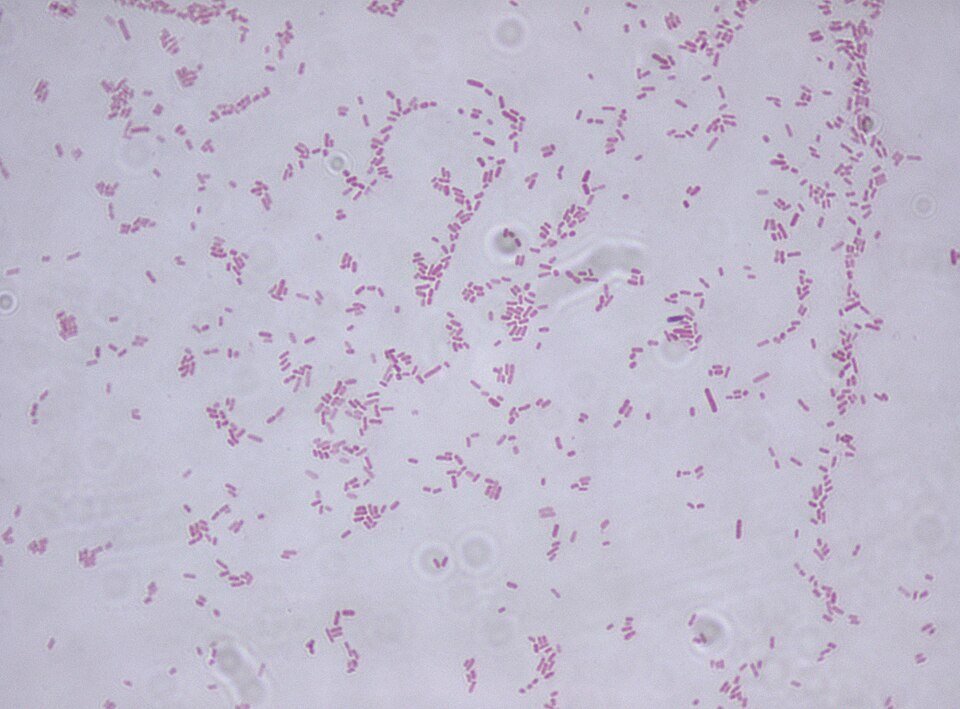 Bacteria
Stenotrophomonas maltophilia and Burkholderia
Stenotrophomonas maltophilia and the Burkholderia species are environmental Gram-negative water organisms that colonise hospital patients and people with chronic lung disease. Intrinsic resistance, when to treat, co-trimoxazole and newer options, the Burkholderia cepacia complex and melioidosis.
Read → Bacteria
Moraxella catarrhalis
Moraxella catarrhalis is the third commonest cause of acute otitis media and sinusitis in children and a frequent cause of COPD exacerbations. Almost all strains produce beta-lactamase, so amoxicillin alone does not cover it. How it is diagnosed, when to treat and with what.
Read → Bacteria
HACEK group and Kingella kingae
The HACEK group (Haemophilus, Aggregatibacter, Cardiobacterium, Eikenella and Kingella) are slow-growing mouth bacteria that cause endocarditis with late-positive blood cultures. Kingella kingae is also the leading cause of septic arthritis and osteomyelitis in young children.
Read → Bacteria
Viridans and anginosus group streptococci
Viridans streptococci are the normal flora of the mouth: they cause dental caries, endocarditis on damaged valves and sepsis in people with neutropenia. The anginosus group (S. anginosus, S. intermedius, S. constellatus) has a different vocation: forming abscesses.
Read → Bacteria
Tropheryma whipplei (Whipple's disease)
Tropheryma whipplei is an environmental bacterium that, in a very few people with an immune predisposition, causes Whipple's disease: years of joint pain followed by diarrhoea, weight loss and neurological involvement. Diagnosis by biopsy and PCR, and prolonged treatment.
Read → Bacteria
Pasteurella and Capnocytophaga: the bacteria of bites
Pasteurella multocida lives in the mouths of most cats and dogs and causes cellulitis within 24 hours of a bite. Capnocytophaga canimorsus is rarer but can cause fulminant sepsis in people without a spleen. Microbiology, diagnosis and antibiotics of choice.
Read → Bacteria
Cutibacterium acnes
Cutibacterium acnes (formerly Propionibacterium acnes) lives in the sebaceous follicles of everyone. It contributes to acne and causes very slow-growing infections of shoulder prostheses, neurosurgical hardware and heart valves. When it is a contaminant and when it is not.
Read →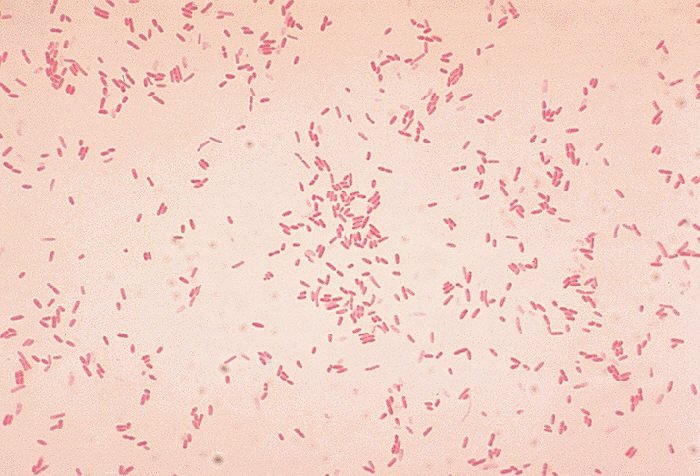 Bacteria
Aeromonas and Plesiomonas
Aeromonas and Plesiomonas are bacteria of fresh water and fish that cause diarrhoea, severe infections of wounds exposed to rivers or lakes, bloodstream infection in people with cirrhosis and complications of medicinal leech therapy. Diagnosis, resistance and treatment.
Read → Bacteria
Ehrlichia and Anaplasma (ehrlichiosis and anaplasmosis)
Ehrlichia and Anaplasma are tick-borne intracellular bacteria that infect white blood cells and cause fever with low white cell and platelet counts. Where they occur, diagnosis by PCR and blood film, why doxycycline is urgent, and prevention.
Read →Viruses
 Viruses
SARS-CoV-2, the virus that causes COVID-19
SARS-CoV-2 is the coronavirus behind the COVID-19 pandemic and it keeps circulating as new variants of the JN.1 lineage. What it looks like, how it spreads and causes disease, PCR and antigen tests, antivirals and updated (LP.8.1) vaccines.
Read →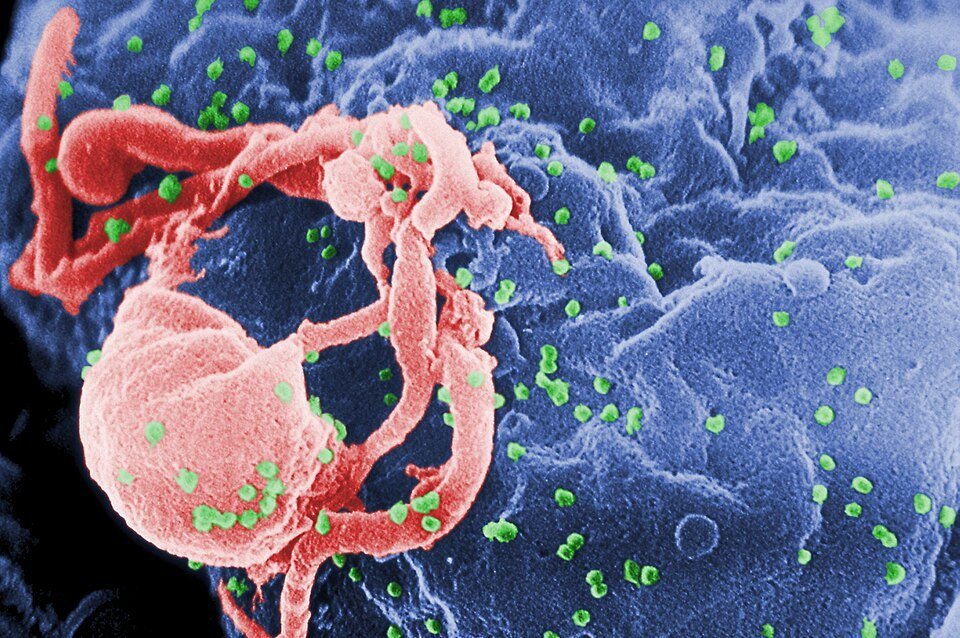 Viruses
HIV-1 and HIV-2: the virus
HIV is the retrovirus that causes HIV infection and, without treatment, AIDS. Types (HIV-1 and HIV-2), how it is and is not transmitted, diagnostic tests, viral load and CD4, antiretroviral therapy, undetectable = untransmittable, PrEP and PEP. Figures for Spain, the UK and the world.
Read → Viruses
Influenza viruses (A and B) and avian influenza
Influenza A and B viruses cause epidemics every winter and type A causes occasional pandemics. How they change (antigenic drift and shift), how they spread, PCR and rapid tests, antivirals such as oseltamivir and baloxavir, vaccines and the threat of avian influenza H5N1.
Read → Viruses
Respiratory syncytial virus (RSV)
RSV is the leading cause of bronchiolitis and of hospital admission in infants, and an important cause of pneumonia in older people. How it spreads, PCR, supportive treatment and the preventive revolution of nirsevimab, clesrovimab and vaccines for pregnancy and older adults.
Read → Viruses
Hepatitis A and E viruses
Hepatitis A and E viruses spread by the faecal-oral route, through water, food or close contact, and cause acute hepatitis that almost always resolves. Hepatitis E can become chronic in immunocompromised people and is severe in pregnancy. IgM serology, PCR, vaccines and prevention.
Read → Viruses
Hepatitis B and D viruses
Hepatitis B virus spreads through blood, sex and from mother to baby, and can cause chronic hepatitis, cirrhosis and liver cancer; hepatitis D virus only infects people who already have hepatitis B and makes it worse. Markers, treatment with tenofovir or entecavir, bulevirtide and the vaccine.
Read → Viruses
Hepatitis C virus
Hepatitis C virus spreads through blood and becomes chronic in most people, with a risk of cirrhosis and liver cancer. Today more than 95% are cured with 8-12 weeks of oral antivirals. Transmission, one-step diagnosis, treatment and elimination.
Read → Viruses
Herpes simplex virus (HSV-1 and HSV-2)
Herpes simplex viruses infect most of the population, lie dormant in nerve ganglia and reactivate as cold sores or genital herpes. Rarely they cause encephalitis or neonatal herpes, which are emergencies. PCR, aciclovir and valaciclovir, and how to reduce transmission.
Read → Viruses
Varicella-zoster virus: chickenpox and shingles
Varicella-zoster virus causes chickenpox in childhood, stays dormant in nerve ganglia and decades later can reactivate as shingles (herpes zoster), with a risk of post-herpetic neuralgia. Transmission, PCR, antivirals within 72 hours and vaccines.
Read → Viruses
Cytomegalovirus (CMV)
Cytomegalovirus is a herpesvirus that infects most adults without symptoms, yet it is the leading congenital infection and a serious threat after transplantation and in advanced HIV. Transmission, serology and avidity, viral load, ganciclovir, letermovir and prevention.
Read → Viruses
Epstein-Barr virus and glandular fever
Epstein-Barr virus infects more than 90 % of adults and causes infectious mononucleosis, glandular fever or the "kissing disease". It is also linked to several lymphomas, nasopharyngeal cancer and multiple sclerosis. Symptoms, heterophile antibody test, serology, complications and treatment.
Read → Viruses
Human papillomavirus (HPV)
HPV is the commonest sexually transmitted infection: almost every sexually active person catches it at some point and most clear it unaided, but high-risk types cause cervical and other cancers. Types, warts, screening, single-dose vaccination and treatment.
Read → Viruses
Mpox (monkeypox)
Mpox is an orthopoxvirus infection causing fever, swollen glands and lesions on the skin and mucous membranes. After the 2022 global outbreak, clade Ib spread from Africa and reached Spain in 2025. Transmission, lesion PCR, isolation, treatment and the MVA-BN vaccine.
Read → Viruses
Dengue, Zika and chikungunya
Dengue, Zika and chikungunya are viruses spread by Aedes mosquitoes that cause fever, pain and rash. Dengue broke records in 2024 and the tiger mosquito now causes locally acquired cases in southern Europe. Differences, warning signs, PCR and serology, treatment, vaccines and prevention.
Read → Viruses
West Nile, Crimean-Congo and other arboviruses in Europe
West Nile virus, carried by Culex mosquitoes from birds, causes encephalitis cases every summer in southern Europe, including Andalusia. Crimean-Congo haemorrhagic fever, spread by Hyalomma ticks, is now locally acquired in Spain. Tick-borne encephalitis, Toscana virus, diagnosis and prevention.
Read → Viruses
Norovirus, rotavirus and other gastroenteritis viruses
Norovirus is the leading cause of gastroenteritis and of outbreaks in care homes, hospitals and cruise ships; rotavirus causes the most severe diarrhoea in babies and is preventable with a vaccine, added to Spain's schedule in 2025-2026. Spread, tests, oral rehydration, return to school and prevention.
Read →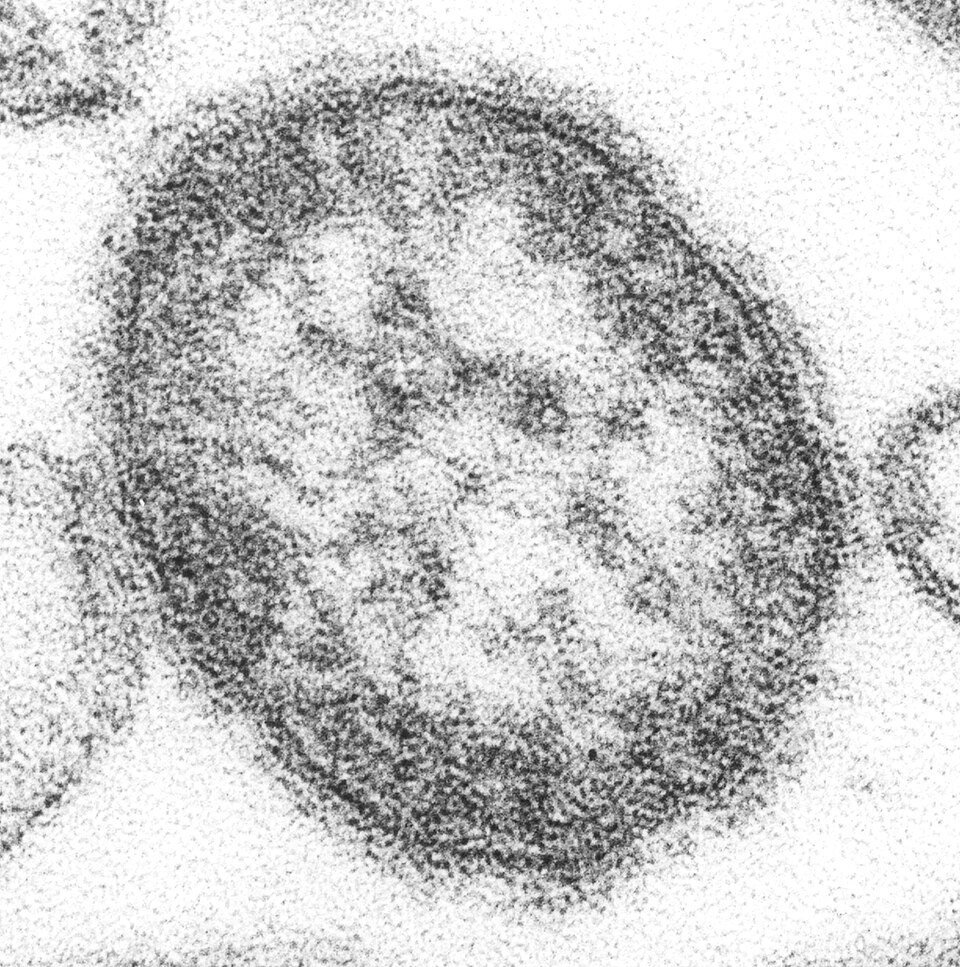 Viruses
Measles, rubella and mumps viruses
Three respiratory viruses controlled by the MMR vaccine: measles, the most contagious of all; rubella, dangerous to the unborn baby; and mumps. Epidemiology after Spain and the UK lost elimination status (2026), diagnosis by PCR and serology, and vaccination.
Read → Viruses
Rabies virus
Rabies virus causes an encephalitis that is fatal in almost 100% of cases once symptoms appear, yet it is completely preventable with prompt post-exposure prophylaxis. How it spreads, the situation in Spain and the UK, WHO exposure categories, vaccine and immunoglobulin.
Read →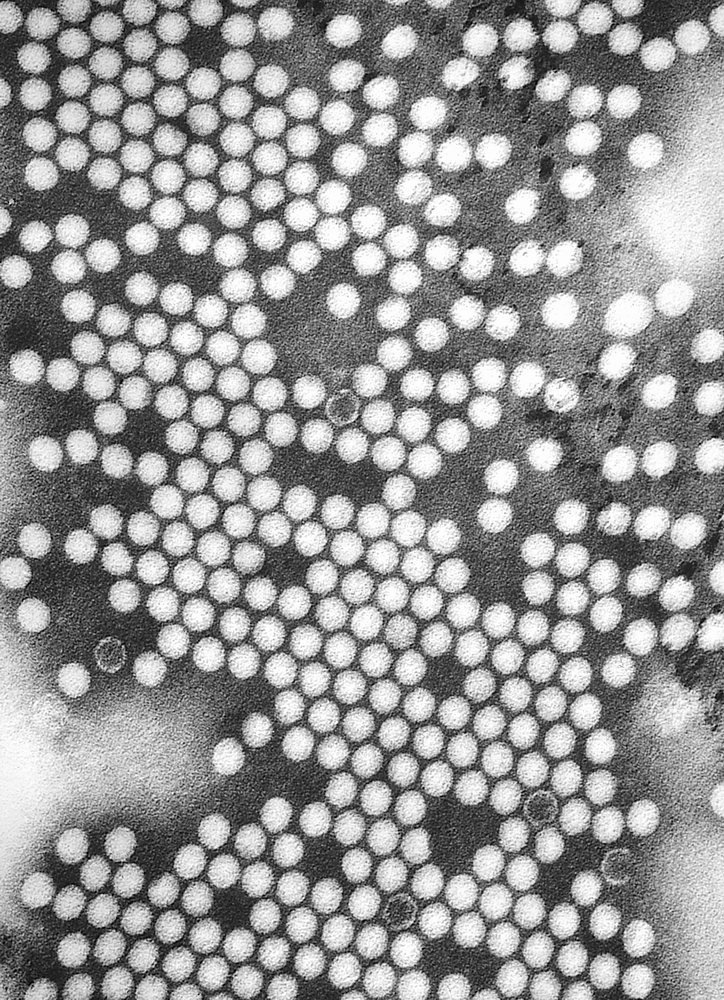 Viruses
Enteroviruses and poliovirus
Enteroviruses are small, very common viruses that cause everything from colds and hand, foot and mouth disease to meningitis, myocarditis and paralysis. Poliovirus, the most feared, is close to eradication. Types, faecal-oral spread, PCR diagnosis and vaccines.
Read → Viruses
Adenovirus, rhinovirus, metapneumovirus and other respiratory viruses
Adenovirus, rhinovirus, metapneumovirus, parainfluenza, seasonal coronaviruses and bocavirus cause most colds, sore throats, croup, bronchiolitis and conjunctivitis. What each one causes, when PCR helps, why antibiotics don't work and who can become seriously ill.
Read → Viruses
Ebola, Marburg, Lassa and other haemorrhagic fever viruses
Haemorrhagic fever viruses (Ebola, Marburg, Lassa, hantaviruses, Crimean-Congo and others) cause severe outbreaks, mainly in Africa. How they spread, outbreaks in 2024-2026, why malaria must be ruled out first, monoclonal antibodies, vaccines and isolation.
Read →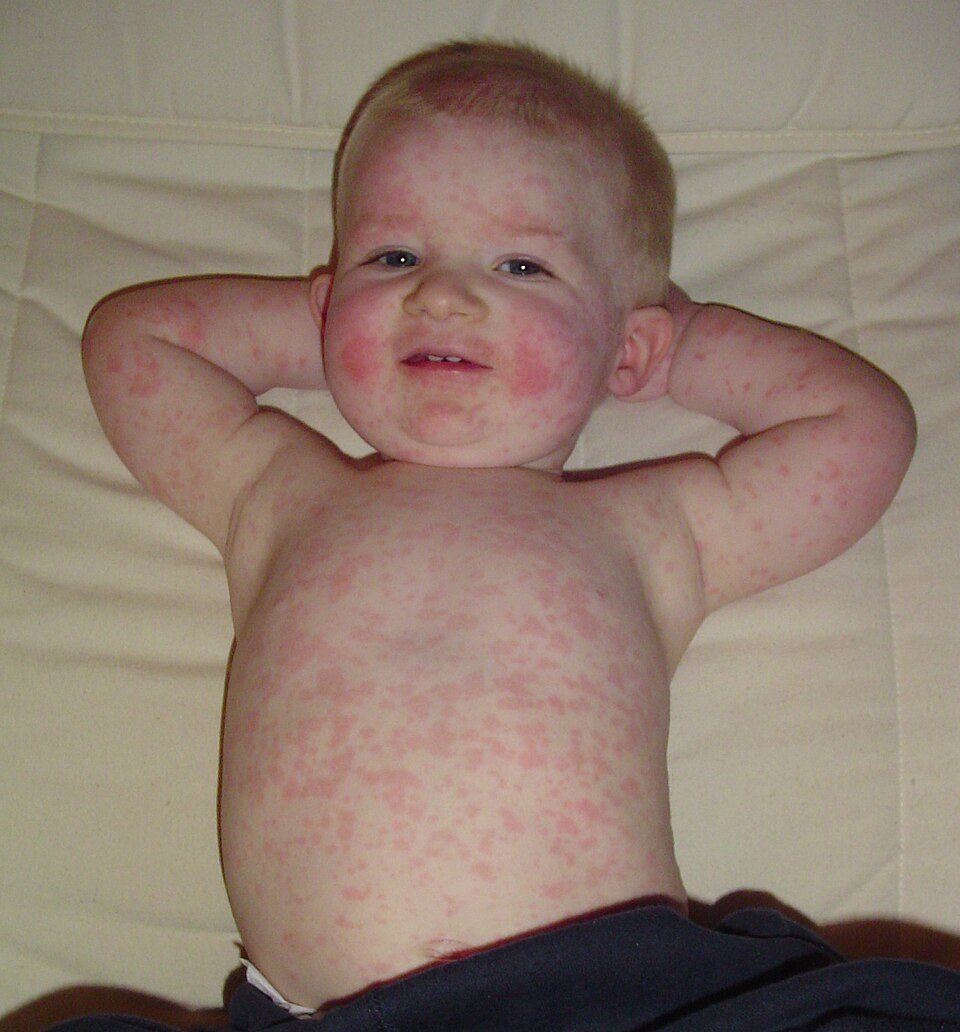 Viruses
Parvovirus B19 (erythema infectiosum or fifth disease)
Parvovirus B19 causes fifth disease ("slapped cheeks"), arthritis in adults, aplastic crises in people with haemolytic anaemias and fetal anaemia in pregnancy. How it spreads, IgM and PCR, the 2024 European upsurge and what to do if you are pregnant.
Read → Viruses
Human herpesviruses 6 and 7 (roseola)
Human herpesviruses 6 and 7 infect almost every child before the age of 3 and cause roseola: three days of high fever followed by a rash as it falls. Febrile seizures, encephalitis after transplantation, inherited chromosomal HHV-6 and how to interpret PCR.
Read →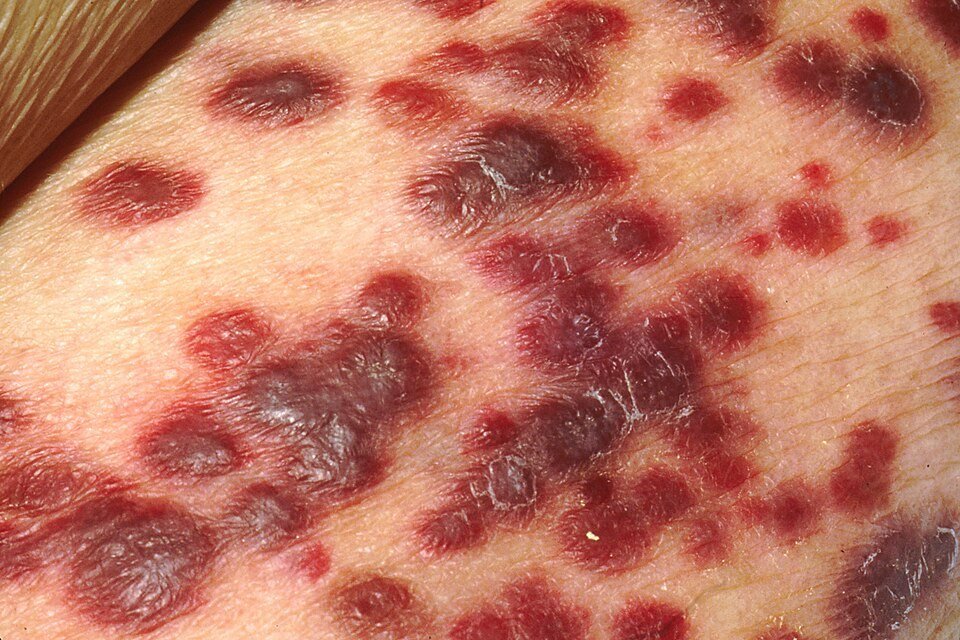 Viruses
Human herpesvirus 8 and Kaposi sarcoma
Human herpesvirus 8 (HHV-8 or KSHV) causes Kaposi sarcoma, primary effusion lymphoma and multicentric Castleman disease, mainly in people with HIV or transplant recipients. How it spreads, diagnosis by biopsy, and treatment.
Read → Viruses
BK and JC polyomaviruses
BK and JC polyomaviruses infect most people in childhood without symptoms, but in immunocompromised people they cause nephropathy in kidney transplants, haemorrhagic cystitis after bone marrow transplantation and progressive multifocal leukoencephalopathy. Screening, PCR and treatment.
Read →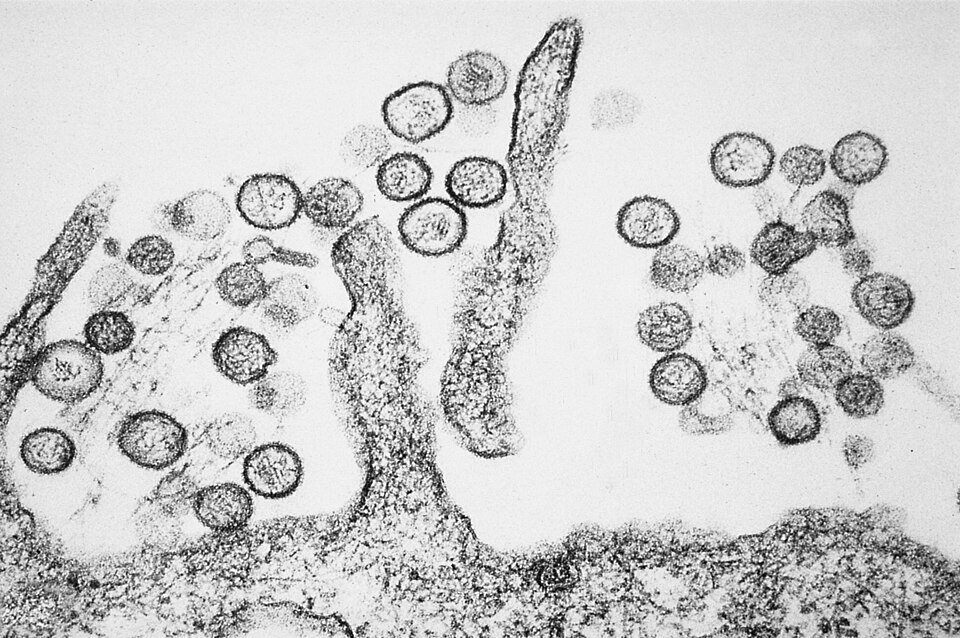 Viruses
Hantaviruses
Hantaviruses are rodent viruses caught by breathing dust containing mouse or rat urine or droppings. In Europe and Asia they cause fever with kidney involvement; in the Americas, a severe cardiopulmonary syndrome. The 2026 Andes virus outbreak, diagnosis, treatment and prevention.
Read →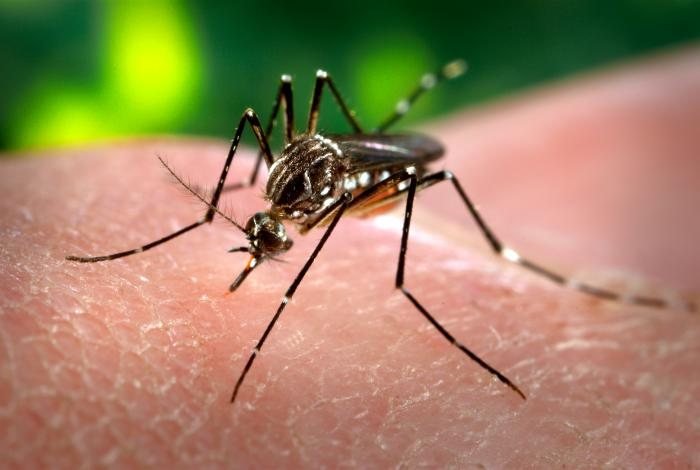 Viruses
Yellow fever virus
Yellow fever virus, a mosquito-borne flavivirus found in Africa and South America, causes a haemorrhagic hepatitis that kills up to half of severe cases. The 2025 surge in the Americas, diagnosis, supportive treatment and the single-dose vaccine.
Read → Viruses
Tick-borne encephalitis virus
Tick-borne encephalitis virus, a flavivirus of central, northern and eastern Europe, causes meningitis, encephalitis and myelitis that often leave adults with lasting effects. Subtypes, the two-phase illness, IgM in serum and CSF, the three-dose vaccine and advice for travellers.
Read → Viruses
HTLV-1 (human T-lymphotropic virus)
HTLV-1 is a retrovirus that infects T lymphocytes for life and, decades later, causes adult T-cell leukaemia-lymphoma or myelopathy (HAM/TSP) in a minority. Spread through breastfeeding, sex and blood, diagnosis by serology and proviral load, and prevention.
Read → Viruses
Smallpox virus and other orthopoxviruses
Variola virus was eradicated in 1980 and survives only in two laboratories. What smallpox was, how it would be diagnosed today, the vaccinia vaccines MVA-BN and ACAM2000, tecovirimat and brincidofovir, and the other orthopoxviruses: cowpox, buffalopox and borealpox.
Read → Viruses
Molluscum contagiosum virus
Molluscum contagiosum virus is a human poxvirus causing papules with a central dimple in children, contact-sport athletes, adults through sex and people with HIV. How it spreads, why it almost always clears on its own, when and how to treat, and what to do about school and swimming.
Read → Viruses
Oropouche virus
Oropouche virus, spread by the biting midge Culicoides paraensis, caused more than 16,000 cases in the Americas in 2024 and reached Europe in travellers. Relapsing fever, meningitis, vertical transmission, diagnosis by PCR and serology, and prevention against an insect that passes through ordinary bed nets.
Read → Viruses
Nipah and Hendra viruses
Nipah and Hendra are henipaviruses of fruit bats that spill over to pigs, horses and people, causing encephalitis and pneumonia with 40-75% fatality. Reservoir, outbreaks in Bangladesh, India and Malaysia, PCR diagnosis, supportive care and prevention.
Read → Viruses
MERS-CoV and seasonal coronaviruses
MERS-CoV is a dromedary camel coronavirus that causes severe pneumonia with a reported case fatality near 37%, while the four seasonal coronaviruses (229E, NL63, OC43 and HKU1) only cause colds. WHO figures, transmission, PCR and prevention.
Read →Fungi
 Fungi
Candida albicans and other Candida species
Candida is a yeast that lives in the mouth, gut and vagina of most people. It causes thrush, vulvovaginal candidiasis and, in hospital patients, candidaemia and severe invasive candidiasis. Species, diagnosis (blood cultures, beta-glucan), resistance and antifungals of choice.
Read → Fungi
Candida auris
Candida auris (now Candidozyma auris) is a multidrug-resistant yeast that colonises the skin for months, survives on surfaces for weeks and causes hospital outbreaks. Spain has the most cases in Europe. How it is detected, screening, antifungals and control measures.
Read → Fungi
Aspergillus and aspergillosis
Aspergillus is a mould we breathe in every day that only causes disease when the immune system or the lungs fail: allergy (ABPA), aspergilloma, chronic and invasive aspergillosis, which is very serious in leukaemia, transplants and severe flu or COVID-19. Diagnosis, resistance and treatment.
Read →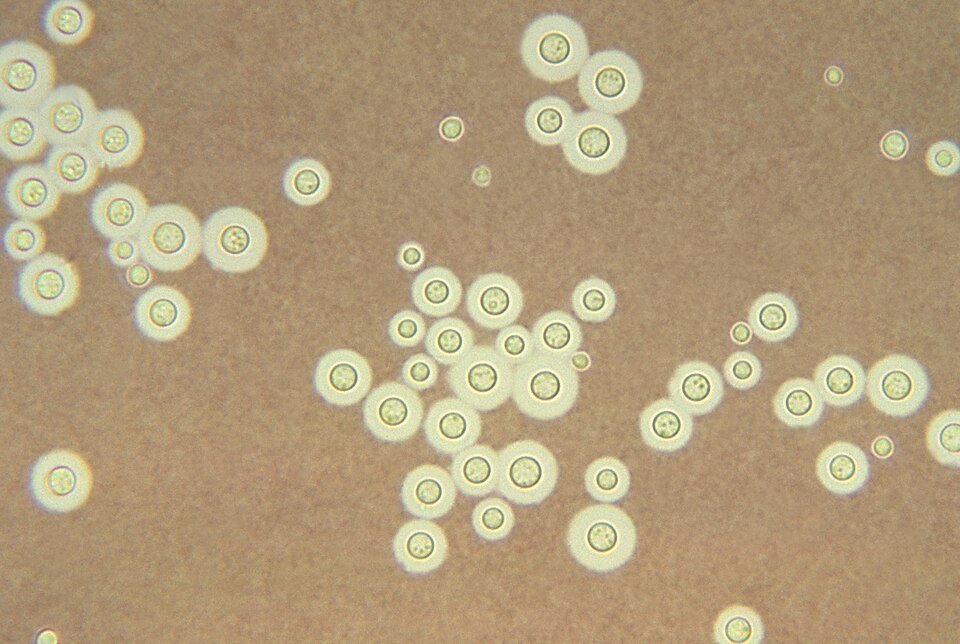 Fungi
Cryptococcus and cryptococcosis
Cryptococcus is an encapsulated yeast found in pigeon droppings and trees. It causes cryptococcal meningitis, the leading fatal nervous system infection in advanced HIV, and affects transplant recipients. Cryptococcal antigen, treatment and screening.
Read → Fungi
Pneumocystis jirovecii
Pneumocystis jirovecii is an atypical fungus that causes severe pneumonia in people with advanced HIV, transplants, cancer or on steroids. It is diagnosed by PCR and immunofluorescence and treated and prevented with co-trimoxazole. Risks, tests, treatment and prophylaxis.
Read → Fungi
Mucorales and mucormycosis
The Mucorales (Rhizopus, Mucor, Lichtheimia and others) are soil moulds that cause mucormycosis or "black fungus", a fast, destructive infection in poorly controlled diabetes, blood cancers, transplants or severe wounds. Urgent diagnosis, surgery and amphotericin B.
Read → Fungi
Endemic fungi: Histoplasma, Coccidioides and others
Histoplasma, Coccidioides, Blastomyces, Paracoccidioides and Talaromyces are fungi living in the soil of the Americas, Asia and Africa, caught by breathing dust from caves or earth. They cause pneumonia and, in people with HIV, severe infections. Travel, diagnosis and treatment.
Read → Fungi
Dermatophytes and ringworm
Dermatophytes (Trichophyton, Microsporum, Epidermophyton) are keratin-eating fungi that cause ringworm (tinea): athlete's foot, fungal nail infection, jock itch, body and scalp ringworm. New resistant and sexually transmitted species. Diagnosis and treatment.
Read → Fungi
Malassezia, Sporothrix, Fusarium and other fungi
Beyond Candida and Aspergillus, other fungi cause infections: Malassezia (pityriasis versicolor, dandruff, folliculitis), Sporothrix (sporotrichosis, spread by plants and cats), Fusarium (keratitis and severe infection in neutropenia), Scedosporium, Trichosporon and black fungi.
Read →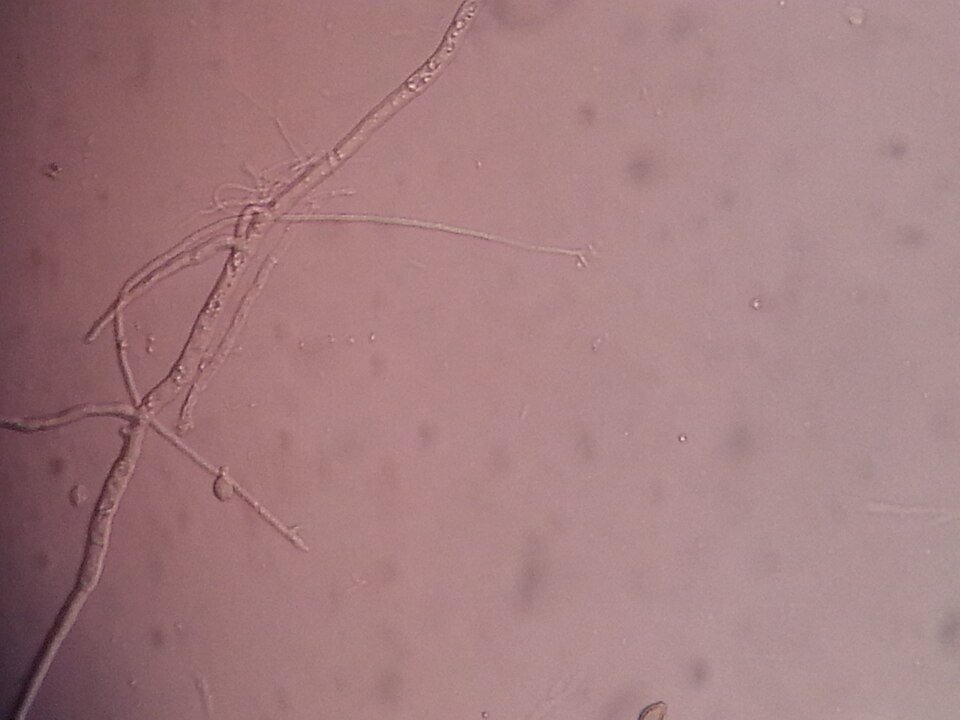 Fungi
Scedosporium and Lomentospora
Scedosporium and Lomentospora prolificans are moulds of polluted soil and stagnant water that colonise the lungs in cystic fibrosis and cause pneumonia after near-drowning, brain abscesses and disseminated infection. Lomentospora resists almost every antifungal.
Read → Fungi
Talaromyces marneffei (talaromycosis)
Talaromyces marneffei is a dimorphic fungus of South-East Asia, linked to bamboo rats, that causes talaromycosis in people with advanced HIV: fever, anaemia and umbilicated papules. Diagnosis, the Mp1p antigen test and treatment with amphotericin B followed by itraconazole.
Read → Fungi
Trichosporon and other rare yeasts
Trichosporon, Rhodotorula, Magnusiomyces, Saccharomyces and other rare yeasts cause catheter-related fungaemia in people with cancer or immunosuppression, white piedra and onychomycosis. Cross-resistance, diagnosis and why identifying the species matters.
Read → Fungi
Chromoblastomycosis and mycetoma (implantation mycoses)
Mycetoma and chromoblastomycosis are chronic infections of skin and bone that begin after a thorn injury in tropical areas. Fungal and bacterial causes, grains, sclerotic bodies, diagnosis, prolonged treatment and their status as neglected tropical diseases.
Read →Parasites
 Parasites
Plasmodium, the malaria parasite
Plasmodium is the protozoan that causes malaria; it is spread by Anopheles mosquitoes. P. falciparum can kill within days. Species, life cycle, WHO and Spanish figures, thick films, rapid tests, artemisinins, resistance, vaccines and prevention for travellers.
Read → Parasites
Toxoplasma gondii
Toxoplasma gondii is a protozoan that infects a third of humanity, almost always without symptoms. It is dangerous in pregnancy (congenital toxoplasmosis) and in immunocompromised people (encephalitis). Life cycle, cats and undercooked meat, serology and avidity, treatment and prevention.
Read → Parasites
Leishmania
Leishmania is a protozoan spread by sandfly bites that causes cutaneous, mucosal and visceral leishmaniasis (kala-azar). It is endemic in Spain (L. infantum, with dogs as the reservoir). Life cycle, figures, diagnosis, liposomal amphotericin B and prevention.
Read → Parasites
Trypanosoma cruzi and Chagas disease
Trypanosoma cruzi causes Chagas disease, spread by triatomine bugs in Latin America and, elsewhere, from mother to baby, by transfusion or transplant. About 55,000 people in Spain have Chagas and most do not know it. Stages, heart disease, serology, benznidazole and screening.
Read → Parasites
Giardia and Cryptosporidium
Giardia and Cryptosporidium are the commonest intestinal protozoa in Spain and Europe, causing diarrhoea linked to water, swimming pools, nurseries and travel. Their cysts resist chlorine. Symptoms, the 2023 outbreaks, stool testing, metronidazole, nitazoxanide and prevention.
Read → Parasites
Entamoeba histolytica and free-living amoebae
Entamoeba histolytica causes amoebiasis: dysentery and liver abscess, mainly after travel or in migrants. Free-living amoebae (Naegleria, Acanthamoeba, Balamuthia) cause keratitis in contact lens wearers and rare but very severe encephalitis. Diagnosis, treatment and prevention.
Read → Parasites
Strongyloides stercoralis
An intestinal worm that can live in the body for decades through autoinfection and that, with corticosteroids or HTLV-1, causes an often fatal hyperinfection. Transmission, larva currens, eosinophilia, serology, ivermectin and screening before immunosuppression.
Read →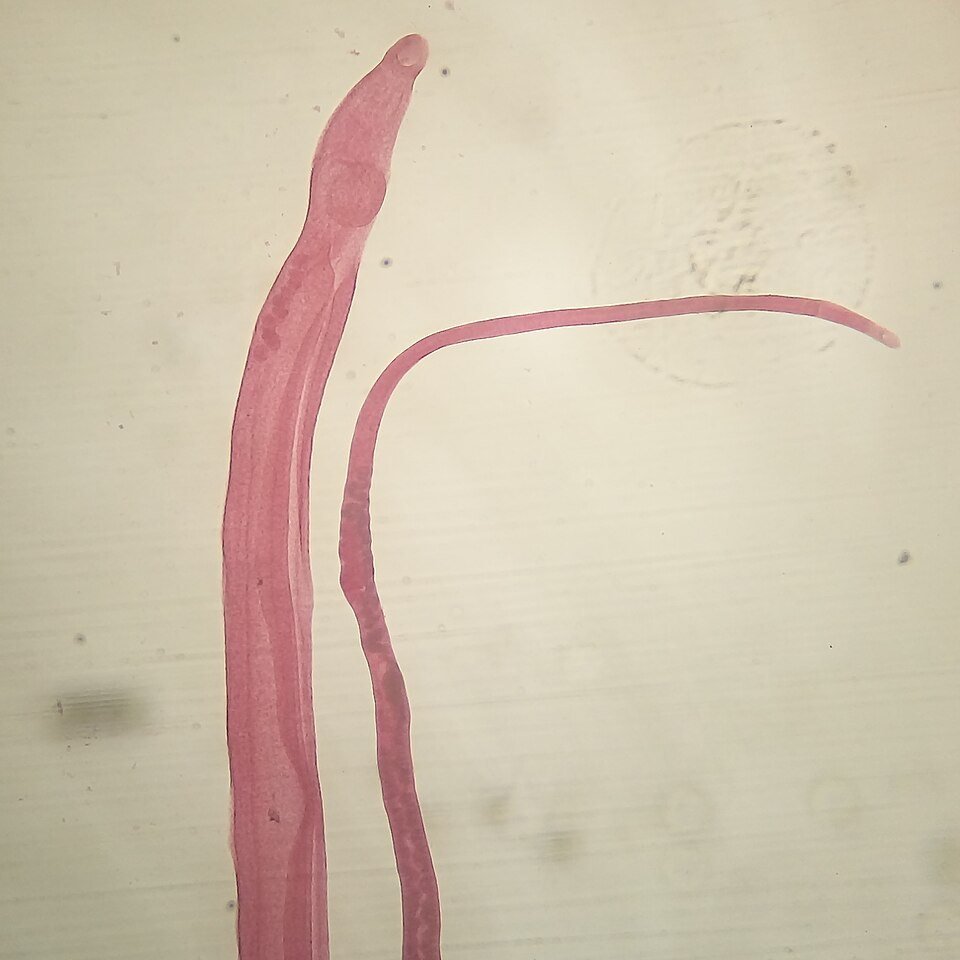 Parasites
Schistosoma and schistosomiasis
Schistosomiasis, or bilharzia, is caused by worms that live in the veins and whose larvae pass through the skin in fresh water in Africa, the Middle East, Asia and the Americas. More than 250 million people need treatment. Symptoms, Katayama fever, diagnosis, praziquantel and prevention.
Read → Parasites
Taenia, cysticercosis and hydatid disease (Echinococcus)
Pork and beef tapeworms live in the gut; Taenia solium eggs cause neurocysticercosis, the leading preventable cause of epilepsy in many countries, and dog-borne Echinococcus causes hydatid cysts. Life cycle, diagnosis, albendazole, praziquantel, surgery and prevention.
Read → Parasites
Pinworms, roundworms, anisakis and other intestinal worms
Pinworms are the commonest worms in European children; roundworms, whipworms and hookworms infect 1.5 billion people worldwide, and anisakis in raw fish causes pain and allergy. How they spread, the sticky-tape test, treatments and prevention.
Read →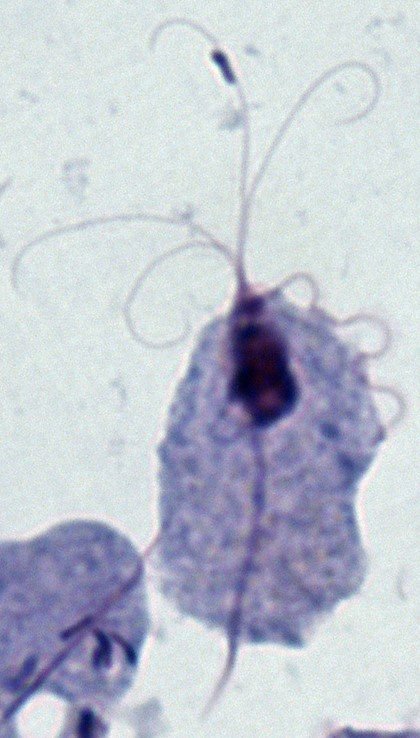 Parasites
Trichomonas vaginalis
A sexually transmitted protozoan that causes trichomoniasis, the world's most common curable non-viral STI, with about 156 million new cases a year. Discharge and itching, though often no symptoms; diagnosis by PCR, a 7-day course of metronidazole and partner treatment.
Read → Parasites
Scabies, lice and other ectoparasites
Scabies, caused by a mite that burrows into the skin, has risen sharply in Spain and across Europe since 2020; head lice affect many schoolchildren and body lice transmit disease. Symptoms, diagnosis, permethrin, ivermectin, treating contacts and myths.
Read → Parasites
Trypanosoma brucei (sleeping sickness)
Trypanosoma brucei is the protozoan of African trypanosomiasis or sleeping sickness, transmitted by the tsetse fly. Gambiense and rhodesiense forms, diagnosis, staging, oral treatment with fexinidazole and acoziborole, and the march towards elimination.
Read → Parasites
Babesia (babesiosis)
Babesia is a red blood cell parasite spread by ticks and, occasionally, by blood transfusion. It causes babesiosis, mild in healthy people and severe in those without a spleen or with weakened immunity. Blood smear, PCR, atovaquone plus azithromycin and exchange transfusion.
Read → Parasites
Cyclospora, Cystoisospora and microsporidia
Three microscopic intestinal parasites that cause prolonged watery diarrhoea: Cyclospora in travellers and outbreaks linked to fresh berries and herbs, Cystoisospora and microsporidia mainly in people with advanced HIV or transplants. Special stains, PCR, co-trimoxazole, albendazole and prevention.
Read →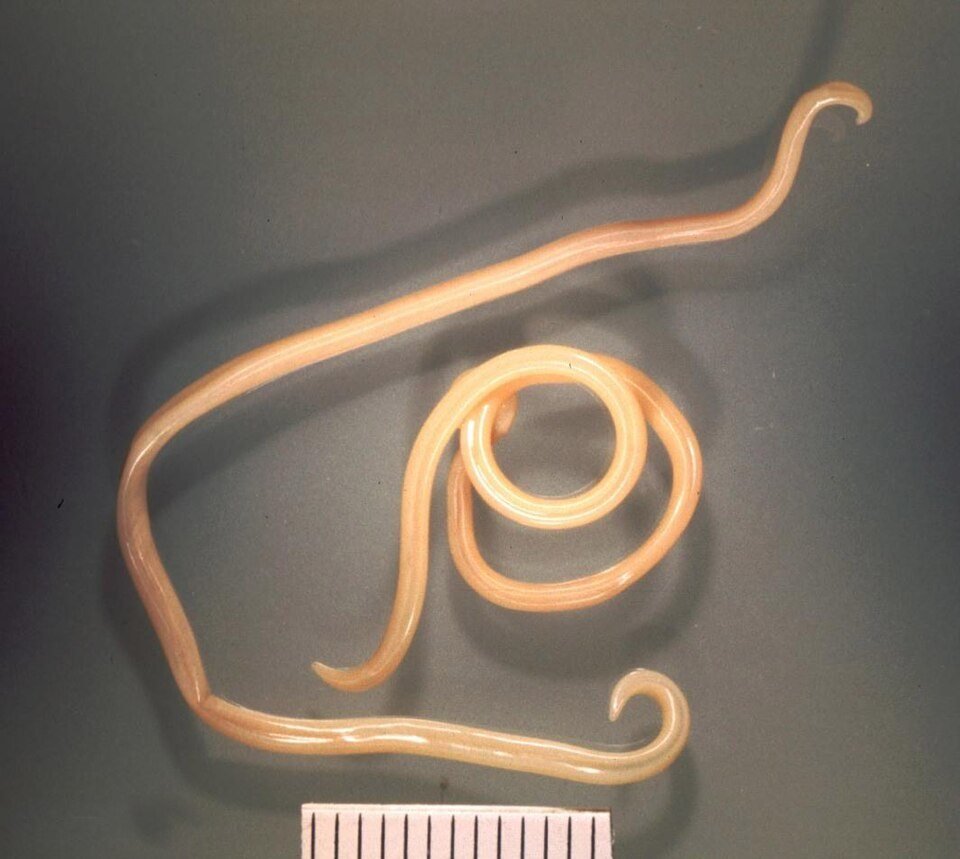 Parasites
Toxocara and larva migrans
Larvae of dog and cat worms cannot mature in humans and wander through the tissues: visceral and ocular toxocariasis from Toxocara, and cutaneous larva migrans from beach hookworms. How they spread, eosinophilia, serology, albendazole, ivermectin and deworming pets.
Read → Parasites
Trichinella (trichinellosis)
Trichinella is a worm whose larvae encyst in the muscle of pigs, wild boar and other animals. Eating their raw or undercooked meat without veterinary testing causes trichinellosis: diarrhoea, fever, severe muscle pain, swollen eyelids and eosinophilia. Diagnosis, albendazole, corticosteroids and prevention.
Read → Parasites
Fasciola hepatica (fascioliasis)
Fasciola hepatica is the liver fluke of sheep and cattle. People become infected by eating wild watercress or other raw aquatic plants: fever, liver pain and eosinophilia, and years later biliary colic and jaundice. Life cycle, serology, stool eggs, imaging and triclabendazole.
Read → Parasites
Filariae: onchocerciasis, loiasis and lymphatic filariasis
Filariae are worms spread by mosquitoes and flies that live for years in the lymphatics, skin or subcutaneous tissue. They cause elephantiasis, river blindness and the African eye worm (Loa loa). Life cycle, WHO figures, blood films, skin snips, antigen tests, ivermectin, DEC and doxycycline.
Read →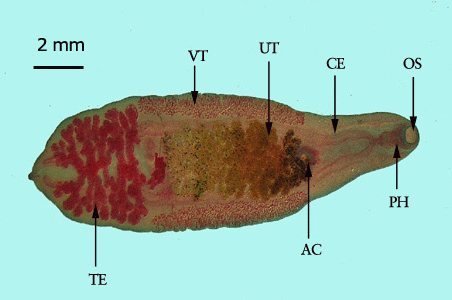 Parasites
Clonorchis and Opisthorchis (liver flukes)
The Asian and European liver flukes are caught by eating raw or undercooked freshwater fish. They live for years in the bile ducts, cause cholangitis and stones and are recognised carcinogens (cholangiocarcinoma). Stool diagnosis, ultrasound, praziquantel and prevention.
Read → Parasites
Paragonimus (lung fluke)
Paragonimus is a fluke caught by eating raw or undercooked freshwater crabs or crayfish. It lives in the lungs and causes a chronic cough with rusty sputum that is easily mistaken for tuberculosis. Eggs in sputum, serology, praziquantel or triclabendazole.
Read → Parasites
Blastocystis and Dientamoeba fragilis
Blastocystis and Dientamoeba fragilis are the intestinal protozoa that turn up most often in stool tests, especially since PCR panels came into use. They often cause nothing at all. When they matter, how to read the result and when (rarely) to treat.
Read → Parasites
Bed bugs, fleas and tungiasis
Bed bugs, pet fleas and the sand flea (Tunga penetrans) all bite humans. Bed bugs do not transmit disease but are back because of insecticide resistance; fleas transmit plague, murine typhus and Bartonella; the sand flea burrows into the feet.
Read → Parasites
Myiasis: fly larvae in skin and wounds
Myiasis is the invasion of skin, wounds or body cavities by fly larvae. From the traveller's "boil that moves" (Dermatobia, Cordylobia) to wound myiasis in vulnerable people and the screwworm. How it is recognised, removed and prevented.
Read →