
General information only. It does not replace advice from a health professional. Do not self-medicate with antibiotics. For fever with a rash, a stiff neck, confusion or difficulty breathing, call emergency services.
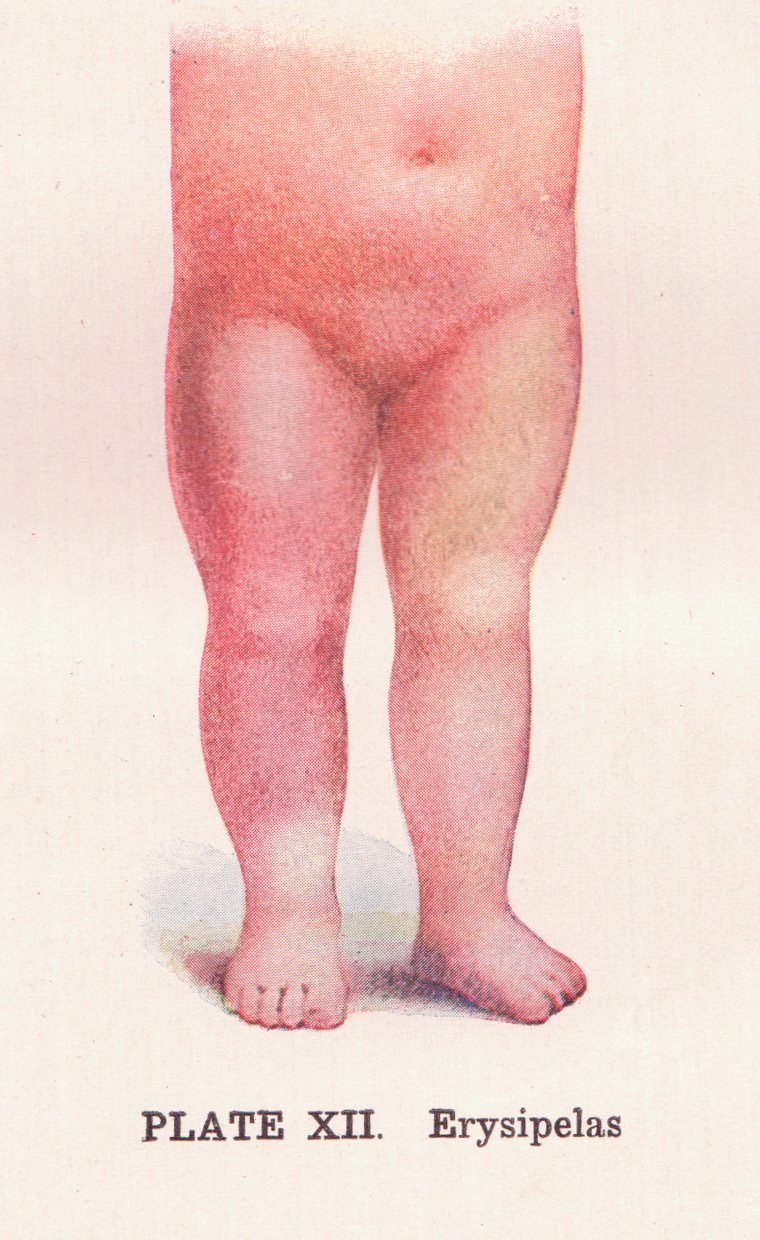

This is a plain-language summary of current guidelines. It does not replace individual assessment: the choice of antibiotic depends on local epidemiology (for example, how common MRSA is) and on each patient, and the decision rests with the medical team. Do not self-medicate with antibiotics.
Reference guideline
There is no single European guideline; the most widely used references are:
- IDSA: "Practice Guidelines for the Diagnosis and Management of Skin and Soft Tissue Infections: 2014 Update" (Stevens and colleagues, Clinical Infectious Diseases). No later edition has been published and it remains the basis of most local protocols.
- NICE (UK): NG141 "Cellulitis and erysipelas: antimicrobial prescribing" (2019), NG153 "Impetigo: antimicrobial prescribing" (2020) and NG184 "Human and animal bites: antimicrobial prescribing" (2020).
- WSES/SIS-E: international consensus on the management of skin and soft-tissue infections, particularly necrotising infections.
- IWGDF/IDSA 2023: infection of the diabetic foot.
- Spain: hospital and primary care antimicrobial stewardship (PROA) guidelines, adapted to local epidemiology within the PRAN 2025-2027 national plan.
To learn about the diseases, see cellulitis, erysipelas, impetigo and abscesses and necrotising fasciitis.
Organisms involved
Most of these infections are caused by two skin bacteria: Streptococcus pyogenes and other β-haemolytic streptococci (mainly in erysipelas and non-purulent cellulitis) and Staphylococcus aureus (in abscesses, boils, bullous impetigo and purulent infections). In wounds, bites, the diabetic foot and necrotising infections, anaerobes, Enterobacterales and other species also play a part depending on the exposure. See Streptococcus pyogenes, Staphylococcus aureus and MRSA and anaerobes.
In Spain, MRSA accounts for a relevant proportion of invasive S. aureus isolates according to ECDC EARS-Net reports, but community MRSA skin infection is much less common than in the USA, so routine empirical MRSA cover is not recommended; the same applies in the UK. On the other hand, clindamycin resistance in S. pyogenes has increased in several countries (in the USA it rose from 12.5% to 26.4% between 2013 and 2023 according to CDC surveillance), so it should not be relied on as the only option.
Initial assessment
Practical classification
| Type | Examples | Main organism | Mainstay of treatment |
|---|---|---|---|
| Superficial | Impetigo, folliculitis | S. aureus, S. pyogenes | Antiseptic or topical antibiotic |
| Non-purulent | Erysipelas, cellulitis | β-haemolytic streptococci | Antibiotic (beta-lactam) |
| Purulent | Abscess, boil, carbuncle | S. aureus | Drainage; antibiotic according to severity |
| Necrotising | Necrotising fasciitis, Fournier's gangrene, gas gangrene | Polymicrobial, S. pyogenes, clostridia, Vibrio | Urgent surgery + intravenous antibiotics |
| Special situations | Bites, water-related wounds, diabetic foot, surgical wound | Depends on the exposure | Cleaning, debridement and targeted antibiotics |
Severity (IDSA)
| Severity | Criteria | Where |
|---|---|---|
| Mild | Local infection without systemic signs | Home, oral treatment |
| Moderate | Systemic signs (temperature > 38 °C, heart rate > 90/min, respiratory rate > 24/min, white cells > 12,000 or < 4,000/µL) | Day unit or short admission, initial intravenous treatment |
| Severe | Failure of oral treatment, immunosuppression, hypotension, signs of deep or necrotising infection | Hospital; consider surgery and intensive care |
In the UK, the Eron classification (classes I to IV) is also used to decide on oral or intravenous treatment and admission.
Investigations
- In mild cellulitis no tests are needed: the diagnosis is clinical.
- Pus culture for every abscess that is drained and for infections that do not respond.
- Blood cultures only with high fever, signs of sepsis, immunosuppression, animal bites or water immersion (they are positive in fewer than 5% of cellulitis cases). See blood cultures.
- Ultrasound if a hidden abscess or venous thrombosis is suspected; CT or MRI if deep infection is suspected, without delaying surgery in necrotising infection. See imaging in infection.
- Blood tests (C-reactive protein, creatine kinase, creatinine, sodium, glucose, lactate) in moderate and severe cases.
"Pseudocellulitis"
About one in three cases diagnosed as cellulitis in emergency departments turn out to be something else: venous stasis dermatitis (typically bilateral), lipodermatosclerosis, deep vein thrombosis, gout, insect bites, contact eczema or lymphoedema. Cellulitis is almost never bilateral. This mistake leads to many unnecessary antibiotics.
Empirical and targeted treatment
Impetigo
| Situation | First choice | Alternatives |
|---|---|---|
| Localised lesions, not unwell | Hydrogen peroxide 1% cream (NICE) or topical antibiotic: mupirocin, fusidic acid or ozenoxacin, 5 days | Retapamulin |
| Widespread, bullous or unwell | Oral antibiotic for 5-7 days: flucloxacillin (UK), cloxacillin, cefadroxil or co-amoxiclav (Spain) | Allergy: clarithromycin or clindamycin depending on susceptibility |
| Confirmed MRSA | Co-trimoxazole or doxycycline (adults) | According to susceptibility |
Erysipelas and non-purulent cellulitis
| Severity | First choice | Alternatives (beta-lactam allergy) |
|---|---|---|
| Mild, oral | Flucloxacillin 500 mg-1 g four times daily (UK), cefadroxil 1 g twice daily, cloxacillin 500 mg-1 g every 6 h on an empty stomach, or co-amoxiclav 875/125 mg three times daily (Spain); for typical erysipelas, amoxicillin or penicillin V | Clindamycin 300-450 mg three times daily (watch for resistance), doxycycline or clarithromycin (NICE); linezolid in selected cases |
| Moderate, intravenous | Cefazolin 2 g every 8 h, flucloxacillin/cloxacillin 2 g every 4-6 h or ceftriaxone 2 g every 24 h | IV clindamycin, vancomycin, daptomycin |
| Severe or MRSA risk (known colonisation, injecting drug use, previous failure) | Add vancomycin, linezolid or daptomycin to a beta-lactam | Ceftaroline or ceftobiprole where protocols allow |
Besides the antibiotic: elevate the limb, treat the portal of entry (athlete's foot, cracks, wounds) and the oedema, and mark the edge of the redness to follow progress. It is normal for the redness to worsen slightly in the first 24-48 hours because of the inflammatory response. The antibiotics are described in penicillins, cephalosporins and antibiotics against Gram-positive bacteria.
Abscesses and boils
- The main treatment is incision and drainage. See source control.
- An antibiotic is added if the abscess is large (over 2 cm) or multiple, there is extensive surrounding cellulitis, systemic signs, immunosuppression, extremes of age or a site that is hard to drain (face, hands, genitals). Two trials in the N Engl J Med (2016 and 2017) showed that, for drained abscesses, co-trimoxazole or clindamycin modestly increase cure rates.
- Oral options: flucloxacillin, cloxacillin or cefadroxil (MSSA); co-trimoxazole, doxycycline or clindamycin if MRSA is suspected or confirmed.
- Recurrent boils: look for S. aureus colonisation and consider decolonisation (nasal mupirocin and chlorhexidine washes) and hygiene measures for the household; in the UK, testing for Panton-Valentine leukocidin (PVL) is advised.
Bites and special wounds
| Situation | Organisms | Treatment |
|---|---|---|
| Dog or cat bite (or human) | Pasteurella, Capnocytophaga, streptococci, S. aureus, anaerobes | Thorough cleaning; co-amoxiclav for 3-5 days as prophylaxis for high-risk bites (hand, face, cat, deep wounds, immunosuppression), 5-14 days if infected; tetanus and rabies assessment |
| Freshwater wound | Aeromonas | Add a quinolone or co-trimoxazole |
| Seawater or seafood wound | Vibrio vulnificus | Doxycycline + ceftriaxone; serious risk in people with liver disease |
| Handling fish or meat | Erysipelothrix | Penicillin or amoxicillin |
| Surgical wound | S. aureus, Gram-negatives depending on site | Open and drain; antibiotics if cellulitis or systemic signs |
More in bitten by a dog or a cat and zoonoses and bites.
Necrotising infections
These are a surgical emergency: mortality rises with every hour that debridement is delayed.
- Extensive surgical debridement within hours, with re-look surgery every 24-48 hours.
- Broad-spectrum empirical antibiotics: piperacillin-tazobactam (or a carbapenem) + clindamycin (or linezolid) to suppress toxin production + vancomycin or linezolid if there is MRSA risk.
- Confirmed S. pyogenes infection: penicillin + clindamycin; in streptococcal toxic shock syndrome, intravenous immunoglobulin may be considered.
- The LRINEC score helps raise suspicion, but a low score does not rule out fasciitis.
Act immediately: call 112 in Europe, or your local emergency number, or go to A&E if a wound or red area causes pain out of proportion, spreads within hours, or develops dark blisters, crackling, greyish or numb areas, or if there is high fever, confusion or dizziness on standing.
Duration
| Infection | Usual duration |
|---|---|
| Impetigo | 5 days (topical or oral) |
| Uncomplicated cellulitis or erysipelas | 5-6 days, extended only if not improved (trials from 2004 and 2020 found no difference from longer courses); NICE: 5-7 days |
| Drained abscess with antibiotic | 5-7 days |
| Prophylaxis after a bite | 3-5 days |
| Necrotising infection | Until no further surgery is needed and the patient is stable and afebrile for 48-72 h |
Switch to oral treatment as soon as the patient improves and can take tablets. See duration of antibiotic treatment.
Follow-up and recurrent cellulitis
- Review at 48-72 hours for cellulitis treated at home.
- If not improving: reconsider the diagnosis, look for an abscess (ultrasound), consider MRSA or other organisms and check adherence.
- Recurrent cellulitis (2 or more episodes a year in the same area): treat athlete's foot, lymphoedema and excess weight, use compression stockings and, if it continues, low-dose penicillin V prophylaxis (in the PATCH I trial it roughly halved recurrences while it was taken).
What has changed in the latest edition
- The IDSA 2014 guideline has not been renewed, but later evidence has consolidated short courses (5-6 days) for uncomplicated cellulitis and the role of antibiotics after drainage of abscesses.
- NICE NG141 and NG153 prioritise an antiseptic (hydrogen peroxide) over topical antibiotics for localised impetigo, to limit resistance to fusidic acid and mupirocin.
- Group A streptococcus: after the rise in invasive infections in Europe and the UK in 2022-2023, early recognition of necrotising forms is emphasised, together with rising clindamycin resistance, which means combining it with penicillin or using linezolid in severe cases.
- WHO lists MRSA among high-priority pathogens in its 2024 list, and Spain's PRAN 2025-2027 makes optimising antibiotic use in primary care a priority.
- IWGDF/IDSA 2023 updated the management of diabetic foot infection, with more emphasis on tissue sampling and shorter courses.
Common mistakes
- Treating bilateral venous stasis dermatitis or venous thrombosis as cellulitis.
- Giving antibiotics for an abscess without draining it: it will not heal.
- Using quinolones as first choice for cellulitis: they cover streptococci poorly and carry MHRA, EMA and AEMPS safety warnings.
- Routine MRSA cover without risk factors, or failing to cover it when there is known colonisation or injecting drug use.
- Continuing antibiotics for 10-14 days as routine.
- Delaying surgery for necrotising infection while waiting for imaging or a high LRINEC score.
- Forgetting the portal of entry, tetanus vaccination or rabies assessment after a bite.
- Not elevating the leg or treating the oedema.
Sources
- Stevens DL, Bisno AL, Chambers HF, et al. Practice guidelines for the diagnosis and management of skin and soft tissue infections: 2014 update by the Infectious Diseases Society of America. Clin Infect Dis. 2014;59:e10-52. doi:10.1093/cid/ciu296
- NICE. Cellulitis and erysipelas: antimicrobial prescribing (NG141). 2019.
- NICE. Impetigo: antimicrobial prescribing (NG153). 2020.
- NICE. Human and animal bites: antimicrobial prescribing (NG184). 2020.
- Senneville É, et al. IWGDF/IDSA guidelines on the diagnosis and treatment of diabetes-related foot infections (IWGDF/IDSA 2023). Clin Infect Dis. 2023. doi:10.1093/cid/ciad527
- Talan DA, et al. Trimethoprim-sulfamethoxazole versus placebo for uncomplicated skin abscess. N Engl J Med. 2016;374:823-32.
- Daum RS, et al. A placebo-controlled trial of antibiotics for smaller skin abscesses. N Engl J Med. 2017;376:2545-55.
- Thomas KS, et al. Penicillin to prevent recurrent leg cellulitis (PATCH I). N Engl J Med. 2013;368:1695-703.
- World Health Organization. WHO Bacterial Priority Pathogens List 2024. Geneva: WHO; 2024.
- European Centre for Disease Prevention and Control. Antimicrobial resistance in the EU/EEA (EARS-Net): annual epidemiological report for 2024. Stockholm: ECDC; 2025.
- Spanish National Plan against Antibiotic Resistance (PRAN). Plan 2025-2027. AEMPS; 2025.
- MedlinePlus. Cellulitis.
Recent guidelines and documents (2024-2026)
- WHO Bacterial Priority Pathogens List (2024), EARS-Net report (2025) and PRAN 2025-2027, cited above.
Sources reviewed and updated in November 2026.