
General information only. It does not replace advice from a health professional. Do not self-medicate with antibiotics. For fever with a rash, a stiff neck, confusion or difficulty breathing, call emergency services.
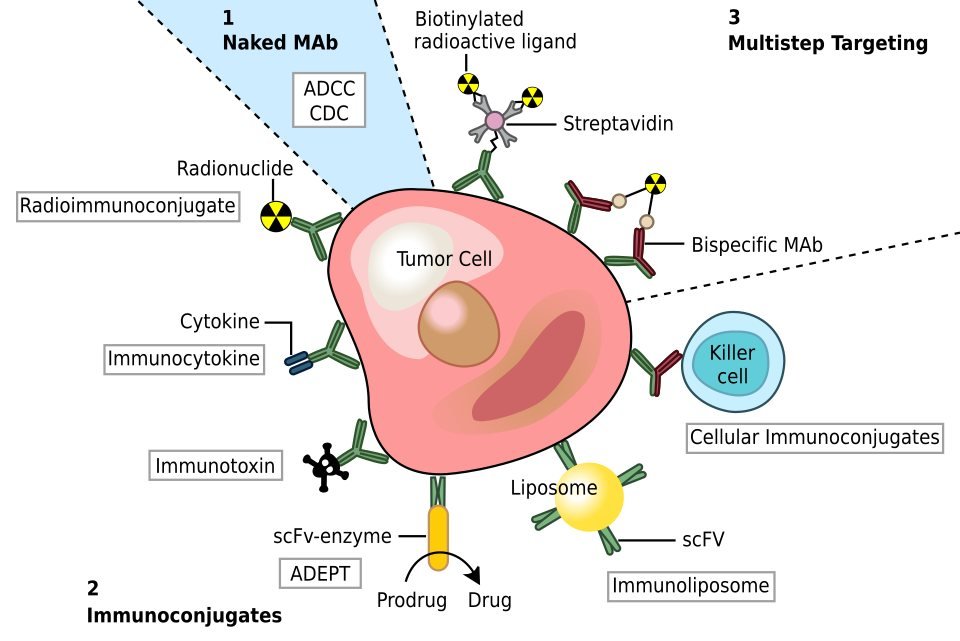

Passive versus active immunity
The immune system takes one or two weeks to make its own antibodies after an infection or a vaccine (active immunity), but that protection lasts years. When there is no time to wait, or the person cannot respond, ready-made antibodies are lent to them: this is passive immunity. It happens naturally when a mother transfers her IgG to the fetus across the placenta.
The idea is old: in 1890 Emil von Behring and Shibasaburo Kitasato showed that serum from immunised animals neutralised diphtheria and tetanus toxins. Diphtheria "serum therapy" saved thousands of children's lives and earned Behring the first Nobel Prize in Medicine (1901).
Types
| Type | Origin | Examples | Advantages and drawbacks |
|---|---|---|---|
| Normal human immunoglobulin (polyvalent) | Plasma from thousands of donors | IVIG (intravenous), SCIG (subcutaneous), intramuscular Ig | Broad spectrum, but low titres against any single microbe |
| Hyperimmune (specific) immunoglobulins | Plasma from donors with high titres | Tetanus, rabies, hepatitis B, varicella-zoster, CMV immunoglobulins | High concentration against one agent; limited availability |
| Antitoxins and animal sera | Immunised horse (or sheep) | Heptavalent botulinum antitoxin, diphtheria antitoxin, antivenom, equine rabies immunoglobulin | Effective and cheap; more allergic reactions and serum sickness |
| Monoclonal antibodies | A single cell clone, made in the laboratory | Nirsevimab, palivizumab, clesrovimab, sipavibart, ansuvimab, obiltoxaximab | Highly specific and safe; expensive; a change in the microbe can render them useless |
Main indications
| Indication | Product | When and how | Comment |
|---|---|---|---|
| Rabies (WHO category III exposure) | Human rabies immunoglobulin (20 IU/kg) or equine (40 IU/kg), or monoclonals licensed in some countries | Infiltrated into the wound on day 0, together with the vaccine | Not given to people previously vaccinated. See rabies |
| Tetanus: tetanus-prone wound in an unvaccinated or incompletely vaccinated person | Tetanus immunoglobulin (250 IU IM; 500 IU for heavily contaminated wounds or > 24 h old) | Together with the vaccine, at different sites | Treatment of established tetanus: higher doses |
| Hepatitis B: newborn of an HBsAg-positive mother; exposure of an unprotected person | Hepatitis B immunoglobulin (HBIG) | Newborn: within 12-24 hours, with the first vaccine dose; adults: ideally < 24 hours (up to 7 days for percutaneous and 14 for sexual exposure) | > 90% effective against perinatal transmission when combined with the vaccine |
| Chickenpox: exposure of a non-immune pregnant woman, immunocompromised person or at-risk newborn | Varicella-zoster immunoglobulin | Up to 10 days after exposure (the sooner the better) | Attenuates disease rather than preventing it |
| Measles: susceptible contact who cannot be vaccinated (infant < 6 months, pregnant woman, immunocompromised person) | Normal human immunoglobulin | Within 6 days | If vaccination is possible, MMR within 72 h |
| Hepatitis A | Normal human immunoglobulin | Within 14 days, if vaccine is not indicated | Vaccine is now preferred for most |
| Botulism | Equine botulinum antitoxin | As soon as possible on clinical suspicion, without waiting for confirmation | Halts progression; does not reverse established paralysis |
| Diphtheria | Equine diphtheria antitoxin | On suspicion | Scarce: in Europe supplied through national and international stockpiles (in the UK, via UKHSA) |
| Inhalational anthrax | Obiltoxaximab, raxibacumab (monoclonals) | Alongside antibiotics | Strategic stockpiles (US) |
| Primary and secondary immunodeficiencies (e.g. chronic lymphocytic leukaemia, myeloma with recurrent infections) | Replacement IVIG or SCIG | Every 3-4 weeks (IV) or weekly (SC) | Reduces pneumonia and other serious infections |
| Streptococcal toxic shock syndrome, necrotising fasciitis | IVIG (adjunctive treatment) | Severe cases, with clindamycin | Moderate to low quality evidence. See necrotising fasciitis |
The specific regimens after an exposure (rabies, tetanus, hepatitis B) are detailed in the post-exposure prophylaxis entry.
Anti-infective monoclonal antibodies
Since the 1990s, biotechnology has allowed identical antibodies to be made against a single part of a microbe. Their half-life has been extended with mutations in the Fc region (such as the so-called "YTE"), so that one injection protects for months.
Respiratory syncytial virus (RSV)
- Palivizumab: monthly injections during the season in very high-risk infants. Now largely superseded.
- Nirsevimab (Beyfortus®, authorised in the EU in 2022): one dose before or at the start of the season protects the infant for about 5 months. In the HARMONIE trial (NEJM, 2023, conducted in the UK, France and Germany), it reduced RSV hospitalisations by 83%. Spain introduced it for all newborns of the season from 2023-2024, and real-world studies in Galicia, Catalonia and other regions showed falls in bronchiolitis admissions of around 70-80%. The UK opted instead for maternal RSV vaccination in pregnancy from 2024.
- Clesrovimab (Enflonsia®): approved by the FDA in June 2025, also as a single dose; in the CLEVER trial it reduced medically attended RSV lower respiratory infections by 60.5%. Check its European status with the EMA.
More in nirsevimab and RSV vaccines and bronchiolitis.
COVID-19
During the pandemic many monoclonals were used (bamlanivimab, casirivimab/imdevimab, sotrovimab, tixagevimab/cilgavimab), but the omicron variant and its sublineages left them inactive one after another: this is the great weakness of monoclonals against mutating viruses. Today they are reserved for pre-exposure prophylaxis in severely immunocompromised people who do not respond to vaccines: sipavibart was authorised in the EU in 2025, and in the US pemivibart has had emergency use authorisation since 2024. Their usefulness depends on the circulating variants. See COVID-19 in immunocompromised people.
Ebola
In the PALM trial (NEJM, 2019), in the Democratic Republic of the Congo, two monoclonal treatments, REGN-EB3 (Inmazeb®) and mAb114 (ansuvimab, Ebanga®), reduced mortality from Zaire Ebola virus disease to around 34-35%, compared with over 50% with the other treatments; the FDA approved them in 2020. See Ebola and haemorrhagic fevers.
Clostridioides difficile
Bezlotoxumab (anti-toxin B) reduced recurrences of C. difficile infection, but the manufacturer stopped marketing it in January 2025, and the European Commission withdrew its authorisation in 2026 at the holder's request, for commercial reasons. Prevention of recurrence now relies on fidaxomicin and faecal microbiota transplant.
Under research
Antibodies against malaria (such as L9LS, which protected children in phase 2 trials in Mali and Kenya), broadly neutralising antibodies against HIV, monoclonals against Staphylococcus aureus and Pseudomonas aeruginosa in ventilated patients (with disappointing results so far) and anti-rabies monoclonals (already licensed in India).
Side effects and precautions
| Product | Possible effects |
|---|---|
| Intramuscular Ig | Local pain; rare allergic reactions |
| IVIG | Headache, chills, fever during infusion (reduced by slowing it); thrombosis, kidney failure (with sucrose-containing products), haemolysis and aseptic meningitis (rare) |
| Equine sera and antitoxins | Anaphylaxis (given with adrenaline to hand); serum sickness at 7-14 days: fever, urticaria, joint pain |
| Monoclonals | Very well tolerated: local pain, infusion reactions, rare allergic reactions |
- Plasma-derived immunoglobulins go through viral inactivation steps; the risk of transmitting HIV or hepatitis is virtually nil with current methods.
- Interference with live vaccines: after human immunoglobulin, 3 to 11 months (depending on the dose) must pass before giving MMR or varicella vaccine, because the borrowed antibodies can neutralise them. Specific monoclonals such as nirsevimab do not interfere with routine vaccines.
- In pregnancy, human immunoglobulins are considered safe when indicated.
Act immediately: after a bite or scratch from an animal that might have rabies, a dirty wound without up-to-date tetanus vaccination, or a needlestick from a used needle, wash the wound with soap and water and attend A&E the same day: immunoglobulin works better the sooner it is given. If you develop progressive weakness with double vision, difficulty swallowing or breathing after eating home-preserved food, call 112 (in Europe, or your local emergency number): this could be botulism.
Frequently asked questions
Does an immunoglobulin "replace" the vaccine? No. It protects while it lasts (weeks or months). That is why it is almost always combined with the vaccine, which gives lasting protection.
Is nirsevimab a vaccine? No: it is a monoclonal antibody. It protects from the day of injection, but does not teach the immune system to make its own antibodies.
Why are monoclonals not used more against bacteria? Because each bacterium has many virulence factors, trials have had modest results, and antibiotics remain effective and cheap in most cases. But rising antimicrobial resistance is driving research.
Can I donate plasma to make them? Yes. Spain depends partly on imported plasma; transfusion centres provide information on plasma donation. In the UK, NHS Blood and Transplant collects plasma for medicines.
Sources
- World Health Organization. Rabies vaccines: WHO position paper. Wkly Epidemiol Rec. 2018;93:201-20.
- Ministerio de Sanidad (Spain). Vacunación en adultos: recomendaciones de vacunación frente a tétanos y difteria. Ponencia de Programa y Registro de Vacunaciones.
- Ministerio de Sanidad (Spain). Recommendations on the use of nirsevimab against RSV for the 2025-2026 season. 2025.
- Hammitt LL, et al. Nirsevimab for prevention of RSV in healthy late-preterm and term infants. N Engl J Med. 2022;386:837-46.
- Drysdale SB, et al. Nirsevimab for prevention of hospitalizations due to RSV in infants (HARMONIE). N Engl J Med. 2023;389:2425-35. doi:10.1056/nejmoa2309189
- U.S. Food and Drug Administration. Drug Trials Snapshots: Enflonsia (clesrovimab). June 2025.
- European Medicines Agency. Zinplava (bezlotoxumab): withdrawal of the marketing authorisation. 2026.
- Mulangu S, et al. A randomized, controlled trial of Ebola virus disease therapeutics (PALM). N Engl J Med. 2019;381:2293-303.
- Centers for Disease Control and Prevention. Rabies post-exposure prophylaxis. CDC Yellow Book 2026.
- UK Health Security Agency. Immunisation against infectious disease (the Green Book): immunoglobulin chapter. Current version.
- Kroger A, et al. General best practice guidelines for immunization (ACIP): timing and spacing of immunobiologics. CDC, current version.
Sources reviewed and updated in November 2026.