
General information only. It does not replace advice from a health professional. Do not self-medicate with antibiotics. For fever with a rash, a stiff neck, confusion or difficulty breathing, call emergency services.

What it is
Sexually transmitted infections (STIs) are a group of more than 30 infections caused by bacteria, viruses and parasites that spread mainly through sexual contact: vaginal, anal or oral sex, skin-to-skin or mucosal contact in the genital area and, in some cases, sharing sex toys. Some also spread through blood (HIV, hepatitis B and C, syphilis) or from mother to baby during pregnancy or birth. The term STI is now preferred to the older "STD" (sexually transmitted disease), because many infected people have no symptoms and do not feel "ill", yet can still pass on the infection and develop complications.
The main STIs
| Infection | Agent | Type | Curable | Page |
|---|---|---|---|---|
| Chlamydia (including lymphogranuloma venereum) | Chlamydia trachomatis | Bacterium | Yes | Gonorrhoea and chlamydia, Chlamydia |
| Gonorrhoea | Neisseria gonorrhoeae | Bacterium | Yes (with growing resistance) | Gonococcus |
| Syphilis | Treponema pallidum | Bacterium | Yes | Syphilis, Treponema |
| Mycoplasma genitalium | M. genitalium | Bacterium | Yes (resistance is common) | Mycoplasma |
| Trichomoniasis | Trichomonas vaginalis | Parasite | Yes | Trichomonas |
| Genital herpes | HSV-1 and HSV-2 | Virus | No (controlled) | Herpes simplex |
| HPV (warts, precancerous lesions) | Human papillomavirus | Virus | Usually cleared naturally; lesions are treated | HPV |
| HIV | HIV-1 and HIV-2 | Virus | No (highly effective treatment) | HIV infection |
| Hepatitis B (and A, C) | HBV, HAV, HCV | Virus | B: controlled; C: curable | Viral hepatitis |
| Mpox | Mpox virus | Virus | Resolves on its own in most | Mpox |
| Pubic lice and scabies | Pthirus pubis, Sarcoptes scabiei | Ectoparasites | Yes | Scabies and lice |
In numbers
- The WHO estimates that more than one million curable STIs are acquired every day worldwide. In 2020 there were about 374 million new infections with chlamydia (129 million), gonorrhoea (82 million), syphilis (7.1 million) and trichomoniasis (156 million) among people aged 15 to 49.
- In the European Union/EEA, ECDC reports with 2024 data recorded 106,331 cases of gonorrhoea (the highest rate since surveillance began in 2009), 45,577 of syphilis and 213,443 of chlamydia. Cases of congenital syphilis almost doubled, from 78 in 2023 to 140 in 2024.
- In Spain, the National Centre of Epidemiology (ISCIII) surveillance report for 2024 recorded 41,918 chlamydia infections, 37,257 gonorrhoea cases, 11,930 syphilis cases and 1,996 cases of lymphogranuloma venereum. Gonorrhoea grew on average by about 29% a year between 2020 and 2024.
- In England, UKHSA data show gonorrhoea reached record levels in 2022-2023 (over 80,000 diagnoses in 2022) before falling somewhat, while syphilis diagnoses remained at their highest level in decades.
- STIs are concentrated among young people (20-34 years) and gay, bisexual and other men who have sex with men (GBMSM), although they affect the whole population; in young women chlamydia is the most frequently reported STI.
- Part of the rise reflects more testing with more sensitive techniques, but the sustained growth also indicates more transmission.
How they spread
- Vaginal and anal sex without a condom: the main route for almost all.
- Oral sex: readily transmits throat gonorrhoea, syphilis, herpes and HPV; much less so HIV.
- Skin-to-skin contact: herpes, HPV, syphilis (chancre and secondary lesions), mpox, pubic lice and scabies, even with a condom if the lesion is outside it.
- Blood: sharing injecting equipment (HIV, hepatitis B and C) and, in chemsex, snorting equipment.
- Vertical (mother to child): syphilis, HIV, hepatitis B, herpes, chlamydia and gonorrhoea (neonatal conjunctivitis). See infections in pregnancy and congenital infections.
They are not spread by toilet seats, swimming pools, cutlery or hugs. People with HIV on treatment with an undetectable viral load do not transmit HIV sexually: see undetectable = untransmittable.
Risk factors
- New or multiple sexual partners, or a partner who has other partners.
- Not using condoms or using them inconsistently.
- Having had another STI in the past year (the best predictor of a new one).
- Alcohol and drug use before or during sex, including chemsex.
- Young age (15-29 years).
- Sex work and situations of social vulnerability.
- Having an STI increases the risk of acquiring and transmitting HIV, because ulcers and inflammation make it easier for the virus to enter.
Symptoms: the syndromes
Many STIs are asymptomatic: up to 70-90% of chlamydia infections in women and most throat and rectal infections. When they do cause symptoms, they tend to group into syndromes:
| Syndrome | Symptoms | Commonest causes |
|---|---|---|
| Urethritis (men) | Burning on passing urine, discharge from the penis | Gonorrhoea, chlamydia, M. genitalium, trichomonas |
| Cervicitis and vaginal discharge | Abnormal discharge, bleeding after sex or between periods | Chlamydia, gonorrhoea, trichomonas; exclude bacterial vaginosis and thrush |
| Genital ulcer | A sore on the genitals, anus or mouth | Herpes (painful, multiple blisters), syphilis (painless, single), lymphogranuloma venereum |
| Proctitis | Anal pain, discharge, bleeding, tenesmus | Gonorrhoea, chlamydia (including LGV), herpes, syphilis |
| Pelvic inflammatory disease | Lower abdominal pain, fever, pain during sex | Chlamydia, gonorrhoea, M. genitalium, anaerobes |
| Epididymo-orchitis | Pain and swelling of a testicle | Chlamydia and gonorrhoea in under-35s |
| Genital warts | Fleshy, painless lumps | HPV 6 and 11 |
| Rash and general symptoms | Spots on the body, palms and soles, fever, swollen glands | Secondary syphilis, acute HIV infection, mpox |
| Pharyngitis | Sore throat, often no symptoms | Gonorrhoea, syphilis, herpes |
Important: if you have had a risky exposure to HIV (sex without a condom with a person with untreated HIV or of unknown status, a split condom, sexual assault), go to A&E or a sexual health clinic within 72 hours (the sooner the better) to be assessed for post-exposure prophylaxis. After sexual assault, call 112 (in Europe, or your local emergency number) or go to hospital: as well as medical care and prophylaxis, you will be offered support and the option of reporting it.
Diagnosis
Who should be tested and how often
- Anyone with symptoms or with a partner diagnosed with an STI.
- After a risky encounter (sex without a condom with a new partner or one of unknown status).
- Pregnant women: syphilis, HIV and hepatitis B in the first trimester (repeated in the third if at risk).
- People using PrEP and GBMSM with several partners: screening for chlamydia, gonorrhoea (urine, rectum and throat), syphilis and HIV every 3 months.
- Sexually active young women (under 25): chlamydia screening according to European and US guidelines; in England the National Chlamydia Screening Programme focuses on young women.
- Anyone diagnosed with an STI should also be tested for HIV and syphilis.
The tests
| Test | Sample | Detects | Comment |
|---|---|---|---|
| NAAT (PCR) | First-void urine (men), self-taken vaginal swab, rectal and throat swabs | Chlamydia, gonorrhoea, trichomonas, M. genitalium | The most sensitive; extragenital swabs are essential. See PCR |
| Gonococcal culture | Urethral, cervical, rectal or throat swab | Gonorrhoea | Needed for susceptibility testing (resistance) |
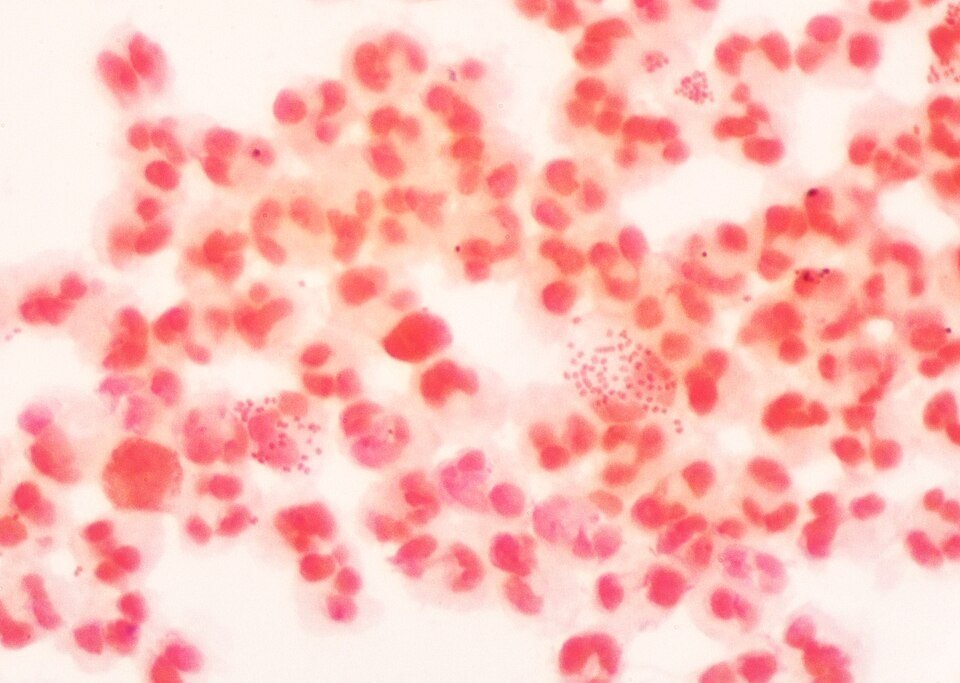
| Gram stain | Urethral discharge | Gonorrhoea (intracellular diplococci) | Immediate result in men with urethritis. See Gram stain |
| Serology | Blood | Syphilis (treponemal and non-treponemal tests), HIV, hepatitis B and C | There is a window period |
| Fourth-generation HIV test | Blood | p24 antigen and antibodies | Reliable from about 6 weeks after exposure. See HIV tests |
| Lesion PCR | Ulcer swab | Herpes, syphilis, mpox | Useful for ulcers |
| Rapid tests and self-tests | Finger-prick blood, saliva | HIV, syphilis | A reactive result must be confirmed |
Indicative window periods
| Infection | When the test is reliable after exposure |
|---|---|
| Chlamydia and gonorrhoea (NAAT) | From about 2 weeks |
| Syphilis (serology) | From about 6 weeks; repeat at 3 months if negative |
| HIV (fourth generation) | From 6 weeks; a negative at 6 weeks is almost conclusive |
| Hepatitis B (HBsAg) | From about 6 weeks; repeat at 3 months |
| Hepatitis C | Antibodies from 8-12 weeks; RNA from 1-2 weeks |
Treatment
The detailed summary, with alternatives and special situations, is in the STI treatment guide. The reference regimens come from the WHO (2024 update), the European IUSTI guidelines, the 2021 CDC guidelines, BASHH guidelines in the UK and the recommendations of the Spanish Ministry of Health.
| Infection | Treatment of choice | Alternatives | Medicine page |
|---|---|---|---|
| Chlamydia (genital) | Doxycycline 100 mg twice daily for 7 days | Azithromycin 1 g single dose (pregnancy, poor adherence) | Tetracyclines |
| Lymphogranuloma venereum | Doxycycline for 21 days | — | — |
| Gonorrhoea | Ceftriaxone 1 g intramuscular single dose | Guided by susceptibility; oral cefixime with test of cure; gentamicin + azithromycin | Cephalosporins |
| Early syphilis | Benzathine penicillin G 2.4 million units intramuscular, single dose | Doxycycline for 14 days (not in pregnancy) | Penicillins |
| M. genitalium | Doxycycline followed by moxifloxacin or azithromycin depending on macrolide resistance | Pristinamycin, minocycline (resistant cases) | Quinolones |
| Trichomoniasis | Metronidazole 500 mg twice daily for 7 days (women) | Metronidazole 2 g single dose (men), tinidazole | Metronidazole |
| Genital herpes | Aciclovir or valaciclovir for 5-10 days in the first episode | Suppressive treatment for frequent recurrences | Antiherpetic drugs |
| Genital warts | Imiquimod, podophyllotoxin, cryotherapy | Surgery, laser | — |
| HIV | Antiretroviral treatment started immediately | — | Antiretroviral therapy |
Key points:
- Treat sexual partners from recent months (the period depends on the infection: 60-90 days for chlamydia and gonorrhoea, longer for syphilis), even if they have no symptoms. Sexual health services help notify them confidentially.
- Avoid sex until 7 days after finishing treatment (and until the partner has completed it).
- Retest at 3 months for chlamydia and gonorrhoea, because reinfections are very common; a test of cure is advised for throat gonorrhoea and in pregnancy.
- Do not self-medicate: STIs are easily confused with one another, and poorly chosen antibiotics encourage resistance, especially in gonococcus (see antimicrobial resistance).
- In December 2025 the FDA approved two new oral antibiotics for gonorrhoea, zoliflodacin and gepotidacin; see gepotidacin and zoliflodacin.
Outlook and complications
With timely diagnosis and treatment, bacterial STIs are cured without after-effects. Untreated, they can cause:
- Pelvic inflammatory disease, chronic pelvic pain, ectopic pregnancy and infertility (chlamydia and gonorrhoea).
- Late syphilis: involvement of the heart, brain, eyes and ears; congenital syphilis with stillbirth or serious after-effects.
- Cancer of the cervix, anus, penis and oropharynx linked to HPV; cirrhosis and liver cancer (hepatitis B and C).
- Neonatal infection: conjunctivitis, pneumonia, neonatal herpes (see infections of the newborn).
- Higher risk of acquiring or transmitting HIV.
- Reactive arthritis and, rarely, disseminated gonococcal infection (arthritis, skin lesions).
Prevention
The page on sexual health and STI prevention expands on this section.
- Condoms (external or internal), used correctly from the start: highly effective against HIV, gonorrhoea and chlamydia; less protective against herpes, HPV and syphilis.
- Vaccines: HPV (in the schedule for boys and girls and in risk groups), hepatitis B, hepatitis A and mpox for GBMSM and others at risk. See vaccination schedule. In England, since August 2025 the meningococcal B vaccine (4CMenB) has been offered to GBMSM at higher risk to reduce gonorrhoea, which shares antigens with meningococcus; protection is partial.
- HIV PrEP: oral tenofovir/emtricitabine or twice-yearly injectable lenacapavir; see PrEP and PEP and lenacapavir.
- Doxy-PEP: taking 200 mg of doxycycline within 72 hours after condomless sex reduces syphilis and chlamydia (and gonorrhoea less) in GBMSM and trans women with previous STIs; the CDC has recommended it for these groups since 2024. In Europe recommendations are more cautious because of the risk of resistance and its use is considered case by case. See doxy-PEP.
- Regular screening according to risk and partner notification.
- Effective antiretroviral treatment: undetectable = untransmittable.
- The Spanish Ministry of Health has drawn up an STI Response Roadmap 2026-2030, which strengthens early diagnosis, partner care and resistance surveillance.
Contagiousness and isolation
No isolation or time off work is needed, except in particular cases (mpox). The key is to avoid sex until treatment is complete and cure is confirmed when indicated: 7 days after the single dose or the end of treatment for chlamydia and gonorrhoea; until lesions have healed in syphilis and herpes. Care at sexual health clinics is confidential and free in the public systems of Spain and the UK.
Myths and facts
- "If I have no symptoms, I have no STI." False: most chlamydia and many gonorrhoea and syphilis infections cause no symptoms.
- "Oral sex is safe." False: it transmits gonorrhoea, syphilis, herpes and HPV.
- "With PrEP I'm protected against everything." False: PrEP only protects against HIV.
- "STIs only affect people with lots of partners." False: one encounter with an infected person is enough.
- "Once you've had an STI, you're immune." False: you can be reinfected, and reinfections are common.
- "I can treat myself with leftover antibiotics." False: each STI has its own treatment and self-medication encourages resistance.
Questions to ask your doctor
- Which STIs will be tested for, and on which samples (urine, rectum, throat, blood)?
- When will I get the results and how will I be told?
- Should my partners be tested or treated? How do I tell them?
- When can I have sex again?
- Do I need to repeat the tests? How often should I be screened?
- Would PrEP, doxy-PEP or any vaccine (HPV, hepatitis A and B, mpox) suit me?
Sources
- World Health Organization. Updated recommendations for the treatment of Neisseria gonorrhoeae, Chlamydia trachomatis and Treponema pallidum (syphilis), and new recommendations on syphilis testing and partner services. Geneva: WHO; 2024.
- European Centre for Disease Prevention and Control. Gonorrhoea - Annual Epidemiological Report for 2024; Syphilis and Chlamydia - Annual Epidemiological Reports for 2024. Stockholm: ECDC; 2025-2026.
- Centro Nacional de Epidemiología (ISCIII). Epidemiological surveillance of sexually transmitted infections in Spain, 1995-2024 (in Spanish). Madrid; 2025.
- Spanish Ministry of Health. STI Response Roadmap 2026-2030 (in Spanish). Madrid.
- Workowski KA, et al. Sexually Transmitted Infections Treatment Guidelines, 2021. MMWR Recomm Rep. 2021;70(4):1-187. doi:10.15585/mmwr.rr7004a1
- Bachmann LH, et al. CDC Clinical Guidelines on the Use of Doxycycline Postexposure Prophylaxis for Bacterial Sexually Transmitted Infection Prevention, United States, 2024. MMWR Recomm Rep. 2024;73(2):1-8. doi:10.15585/mmwr.rr7302a1
- U.S. Food and Drug Administration. FDA approves two oral therapies to treat gonorrhea. December 2025.
- International Union against Sexually Transmitted Infections (IUSTI). European STI Guidelines.
- UK Health Security Agency. Sexually transmitted infections (STIs): annual data.
- World Health Organization. Sexually transmitted infections (STIs): fact sheet.
- MedlinePlus. Sexually transmitted infections.
Sources reviewed and updated in November 2026.